22Jan

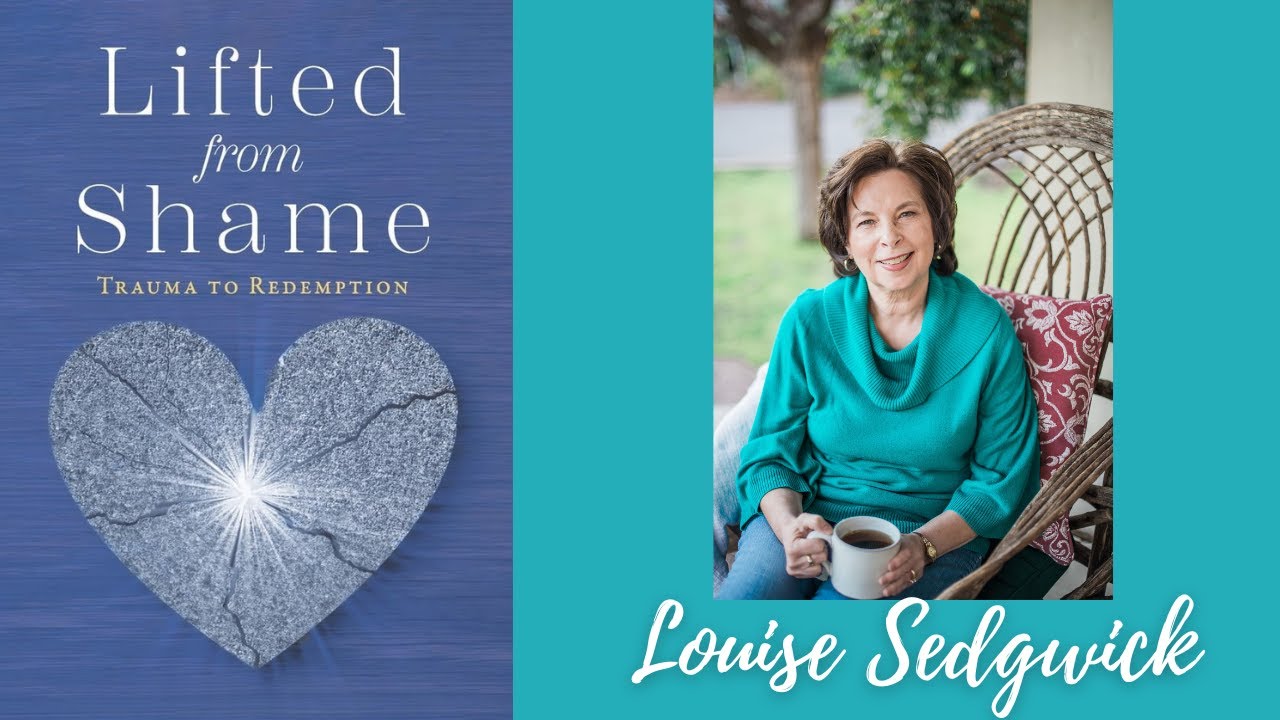
Louise Sedgwick grew up in a home where her parents were church leaders, but behind closed doors, she endured abuse and trauma. She gave her life to Christ young, but carried anger and shame for years. Slowly, God brought healing through the cross, and she found redemption as she served others, helping them experience freedom from shame.

Louise Sedgwick

Author, Teacher, and Podcaster


***Louise's testimony is being transcribed & will be available soon.***


Your childhood story is both heartbreaking and powerful. How did your experiences shape your faith and your understanding of God? Can you share about your childhood? 

Yes, I can do that. Sharing my childhood story is always painful, even though I’ve told it many times; it never gets easier. My parents raised my siblings and me in the Midwest and took us to church every time the doors were open. My parents were visible church leaders and respected in the community. But what happened at home was very different. My father sexually abused me throughout my entire childhood and sold me to other men—now they call it trafficking. They didn’t call it that when I was young—they just sold me, and we had to participate in child pornography. It was a very severe abuse and evil. And so you can imagine the conflict and confusion for me as a little girl, who was at conservative evangelical churches, where I heard the gospel, and I accepted Jesus as my Savior when I was little. Still, the turmoil of the double life that we lived was very confusing. 

When I went to church camp as a junior high schooler, I gave my life to Christ fully and said, “God, use me big for your kingdom purposes. I will be yours for the rest of my life.” And so here I was, having this desire to honor God with my life, serve Him, and be about His kingdom. And yet I had this literal terror going on at home, every day, every night, and I didn’t know that you could live without terror. Not just fear, but terror for my life. I loved Jesus with all my heart, but I had another thing going on in me–now I know it’s called trauma responses, but that was unknown and unresearched. But I had a horrific problem with anger. And not just a little. I mean rage, like with the veins sticking out of your neck rage. Now, I know it was the fight, flight, or freeze response. It was a fight response of mine, trying to feel powerful when I felt absolutely powerless and hopeless. Shame overwhelmed me, and I felt like raw sewage. I believed that only someone worthless would receive such treatment. 

So, I felt like raw sewage, but I was really arrogant because I learned to be a perfectionist to survive. After all, my father would always say that he was going to abuse me because of some infraction I had committed, so I tried really hard to be perfect and never make a mistake. I felt I needed to perform to stop my father from abusing me. But of course, I learned later that no matter how perfectly I performed, it wouldn’t have stopped him. But that was my strategy as a child. 

When I was a really high-performing child and teenager, I thought I was better than other people. So I had both things going on: arrogance and deep, deep shame. And so I was judgmental and critical, and it was really messy, and I was a perfectionist. So here I was, loving Jesus and wanting to serve Him and have my life be all about His kingdom and honoring Him, but I was struggling with so much sin that I couldn’t control, and that made me feel so terrible about myself, and on top of that, I just didn’t believe that God loved me. I started teaching even when I was a teenager in my church because it was one of my gifts and the design of my life. I would teach all these things that were true about scripture because I’d studied scripture and gone to doctrine classes and all those things, and so I was doing all these teachings, all this truth. I knew a lot of truth, but I didn’t believe it for me–it was in my head, but there was a 12-inch gap between my head and my heart that was disconnected because I didn’t trust God, because how could I trust a God who allowed me to go through what I was going through. I was on an ongoing journey where I was trying so hard to be perfect and get my sin under control to stop being judgmental and critical, stop raging, and I just couldn’t get it under control because we can’t control our sin. But the teaching that I received was wonderful in so many ways. But it was missing the fullness of the gospel of how we live, not just by God’s grace for our salvation, but God’s grace for our ongoing journey as believers. I was unsure how to live. I felt awful about my failures as a Christian and what happened to me. And so when I was in my early 20s in college, I told God, “So far, everything you’ve taught me about the Christian life is a crock because I’m doing everything I was taught to do, and it’s not making any difference.” And I said, “God, if you are real and if your word is true, will you take me to a place where they can teach me a new way?” It was the turning point for me when God brought me to that place to teach me a new way. 

You mentioned a trauma response, and that’s for protection, like when fighters get in the ring, they put their fists up. So, you had a trauma response of anger, and that was a way to protect yourself.

Yeah. Because you think about it, when you see somebody who’s raging, you want to back away from them because it’s powerful. And so if I’m the one who’s raging, I don’t feel small or weak. I feel powerful and big. And it’s an illusion, of course; it’s not the truth, but it’s the feeling that it gave me. I didn’t love what it did, and I didn’t have an understanding for a long time of how my rage affected the people around me. I just knew it helped me feel stronger and safer. 

What was the turning point when you experienced real healing and freedom? 

Well, it was a process. I wouldn’t say it was necessarily a point, but it was a process. The healing began when I started attending 12-step groups for adult children of alcoholics, even though my father never drank, but he had a sexual addiction, so I was with other people whose parents had addiction issues. I began to understand the dynamics of a home where that is true. It took away some of the confusion for me to say, “Oh, this is common. These behaviors are common. The manipulation, the pouting, and the lies are common for someone in a home where there’s addiction present,” and so that was helpful. But then, as I said a little bit earlier, when God took me to a place where I could learn a new way to do the Christian life, He took me to a church here in Phoenix where I learned about God’s grace. Not just grace for my salvation, but God’s grace for my everyday life. And I came to understand, even though I’d been to Bible college and taken theology classes, I never fully understood the reality of what Jesus accomplished for me at the cross and resurrection. And that I was no longer a slave to sin according to Romans 6. I had lived my life as a slave to sin because I had repented and repented and said the words of repentance for years about my anger and my judgmental criticism and my perfectionism. But I couldn’t stop because it was stronger than me. And when I learned that not just by reading it, I learned how to live as though I was no longer a slave to sin—how to repent in a way where God does the work in me. Because even when I was in college, I said, “God, take me to a place where I can learn a new way.” I said to Him, “As far as I’ve been doing in trying to deal with my sin, God, I’ve been the one doing all the work. And if there is victory over sin in a believer’s life, there has to be something supernatural involved. You have to do something about my sin, not just me trying to control my sin.” And so when I learned about this new church through God’s grace, I learned how it is that it’s the Holy Spirit in me, Christ in me by the Holy Spirit, that is stronger than sin. Christ in me, by the Holy Spirit, can forgive. Christ in me by the Holy Spirit doesn’t have to hang on to shame and can trust God. And I had never heard that. I missed it if someone taught it to me. But that’s what began to change my life, to say I didn’t have to make it happen. I could believe that God could make it happen. The Holy Spirit could make it happen in me. And that changed everything for me. He's faithful to hear our prayers and remember them even when we've forgotten them and to answer them in His perfect time. I'm grateful for His mercy and grace toward me. 

What are some practical ways people can find hope and healing through Jesus, even in the midst of deep pain? 

Well, I think for me, one of the big shifts that helped me was I knew that Jesus had died for my sins, but I didn't comprehend or grasp that Jesus didn't just die for my sins. He died for the sins that were done to me, so I could have healing for the sins that were done to me, because otherwise, there would be all this abuse that I had endured from my childhood that was lying in me, and I didn't know how to give it back to my parents. I was holding on to it, and I was holding on to the shame from it. And so, I didn't have any idea that my way out, my way toward healing, was to come to understand and live out the truth that Jesus died for the sins done against me. That I could forgive my parents because their debt was paid by Jesus. I could have hope that all these things didn't define me because Jesus paid the debt for those sins. He paid for the shame of those sins done against me, and it lifted my face toward heaven to say, "Oh, you love me that much that you would die for what somebody else did for me so that I could be free. Wow! Wow!"

A lot of times when we’re going through things, if we get our focus off ourselves and our issues and we start serving others, it helps our healing process a lot. So, when you first began serving others while still healing yourself, what was it like to see God use your story to bring hope to someone else?

Oh, it was the truth that I had learned as a child that Jesus is our redeemer. It became my reality because He redeemed my soul. He redeemed my life from the pit, as it says in Psalms 40:1-3. He lifted me out of the pit. He redeemed me so that others could experience Christ through me and the healing of Jesus through me because I had experienced it myself, and I knew what it meant, and I knew what it looked like, and I knew how to help other people because I had learned it for myself. Psalm 40:1-3, “I waited patiently for the Lord, and he reached down to me and heard my cry. He brought me up out of the pit of destruction, out of the mud. And he set my feet on a rock, making my footsteps firm. He put a new song in my mouth, a song of praise to our God. Many will see and fear and will trust in the Lord.”  I felt that I was in the pit for so many years, and I tried to claw my way out by myself, but He lifted me out of it through Jesus and what Jesus accomplished for me on the cross. And I’m so grateful.How did your perspective on forgiveness, both of yourself and others, change as you walked through your journey of healing?Well, in the beginning, honestly, I did not want to forgive my parents. I wanted them to suffer. If I can be this bold, I wanted them to be in hell. I did not want them to heal. I did not want them to be forgiven. And in the beginning, I knew I needed to forgive my parents, but I didn’t want to. And I had never truly forgiven anyone in my life. I didn’t know how to. I could say the words, but I didn’t mean that I had let it go. There was a debt to be paid, and a debt that was owed. And I didn’t want to forgive my parents until they owned up to what they did. And so it was a journey for me to come to understand forgiveness. I could forgive because Jesus had paid the debt. But I also had an even harder time forgiving myself because my anger and rage were present when my children were growing up. And I raged a lot at my husband, and my children witnessed it, and my judgmental criticism and my perfectionism deeply, deeply injured my family. I had a lot of self-hatred for the sins; they were trauma responses, but they were also sins for what I had done to my family and the damage that I had done. My prayer had always been that I wouldn’t hurt my children, especially the way my parents had hurt me. While I didn’t inflict the same pain on them as my parents did on me, I still caused my family to suffer. And so I had just so much self-contempt for years and regret, deep regret for what I had done. And so, learning to forgive my parents was the first step. But the second step was getting to a place where I could forgive myself and receive God’s grace for me.

My husband and I were going to confront my parents because they were in positions of church leadership, and my pastor at my church was going to go with us to confront them. He told me that I had to forgive my parents before I could confront them, so that was my motivator, not in any Christlike way, but because I wanted my parents exposed. I wanted them out. It wasn’t from a heart desiring reconciliation whatsoever that I was in the forgiveness process. But I just had to ask God to help me forgive because I wasn’t willing to forgive, nor was I willing to be willing to forgive. And so I had to pray three times, willing–God helped me to be willing to be willing to be willing to forgive. I prayed every day for months because it wasn’t in my willingness to forgive my parents—it was not going to come from anything in me—it had to be Christ in me that could forgive them. 

How has Psalm 34:4-5 touch your heart and life?

My heart is to walk with people so that they would know the healing of Jesus from the shame that they feel for what they’ve done or the sin done to them. I always say that if God can heal me, He can heal anyone because it’s about Him and His power. The scripture from Psalm 34:4-5 is precious to me because it’s the calling of my life to share with others how we can be lifted from shame through Jesus and His grace. 

Psalm 34:4-5

I sought the Lord, and he answered me; he delivered me from all my fears. Those who look to him are radiant; their faces are never covered with shame.

This scripture says, I sought the Lord, and He answered me and delivered or rescued me from all my fears. I went from being a woman who felt worthless and unlovable. I didn’t have what it takes. I couldn’t measure up. I believed I was unwanted, but now, because of all that God and Jesus have done in me, I feel loved, known, cherished, and beloved—all of it. I can look to God and not feel shame. I can feel His delight in me. I know I’m treasured by Him and that through Him I have what it takes. That is a complete transformation. Not that I don’t or can’t feel shame now and again because I live in a sinful world, but it does not own me like it used to. He’s not only a redeemer for me, but He’s a redeemer for everyone who chooses Him. 

Looking back on your journey of redemption, what advice would you give to somebody who feels trapped by their past or ashamed of their story? 

First, I would say I understand. I’ve been there. I lived it. And this is why Jesus came. He came to set the captives free. He came to seek and to save those who were lost. And I remember crying out to God and saying, “That’s me. I’m lost. I don’t know how to do life. I am lost. You came for me. Show up for me, Jesus. Show up for me. I’m lost.” And He did. He did show up for me. More than just show up for me. He healed my soul. He transformed my life. He redeemed my life from the pit. Jesus wants to do that for you. You are not ineligible. While we were yet sinners, Christ died for us. He doesn’t expect us to have it all together because nobody does. 

My pastor at the church where I served for all those years, my favorite line that he said was, “There are no together people, just people who dress better.” And I believe that. No, nobody’s got it all together, but we can live in confidence of our worth and value because of Jesus. And that frees our hearts and allows us to stand in who He designed us to be. And when we live out who He designed us to be, we have a confidence and a joy and a peace that comes from Him. We don’t have to compete with anyone. We can trust that He’s going to open the doors for us, and we just have to walk through them. And that’s been my life. I dreamed I always wanted to be in full-time Christian ministry, and I felt completely ineligible because of how broken I was and how I overreacted to things. I was socially awkward sometimes. I raged. I was so judgmental and critical. And I thought, “Nope, God could never use me,” but He qualifies the called, as that old saying goes, that when we allow Him to do His work in us with open hands of surrender, saying, “You do it in me, God,” and we believe that He can do it—He will absolutely move in our lives, and it’s a miracle; my life is a miracle 100%. 


These are Louise's favorite scriptures...
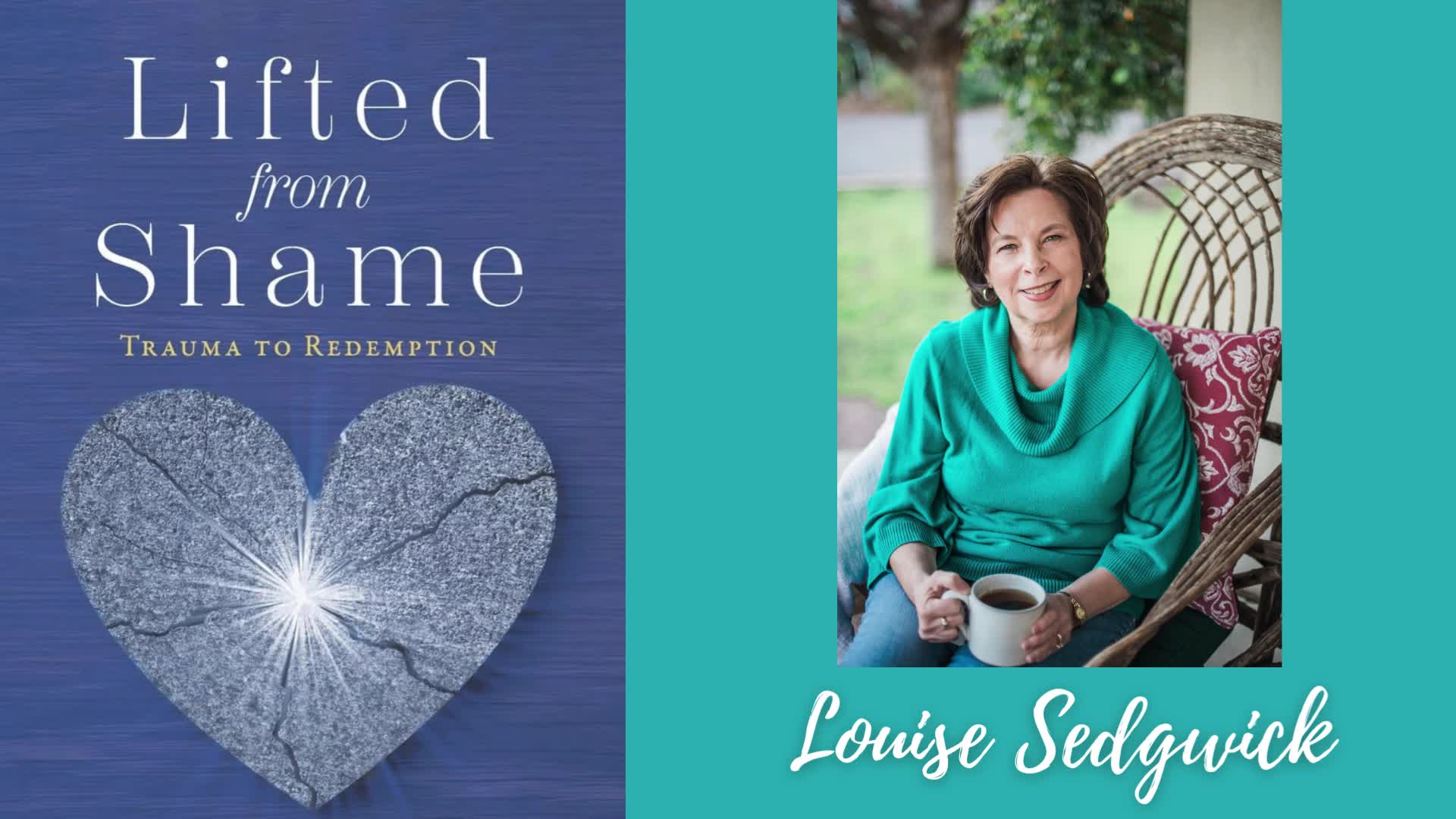


Louise's book & workbook. Get your copy today by clicking on the book covers!  


Louise's Social Media Platforms


Louise shared her testimony on...

Truth, Talk & Testimonies


Louise's testimony is also on...

VictoryEmbraced: Truth, Talk & Testimonies



04Jun

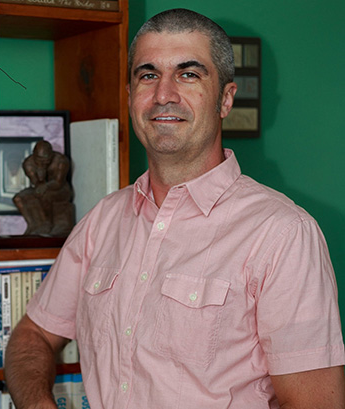
Samuel is a husband, father of two, and passionate about helping others live fully and lead themselves well. He specializes in anxiety, OCD, trauma healing, and couples work—using evidence-based tools like Internal Family Systems (IFS), EMDR, Brainspotting, and EFT. Rooted in brain science and deep relational work, Samuel blends therapy and coaching to guide people toward transformation. He believes, as Anaïs Nin said, “The risk to remain tight in a bud is more painful than the risk it takes to blossom.”

Samuel Johnson

Counselor, Coach, and Consultant 4C LTD


These are Samuel's favorite scriptures...

Samuel, you wanted to share the meaning of your name. 

Yeah, I was sharing this anecdote with Dawn-Marie earlier that I didn’t grow up a Samuel. I was a Sam in my childhood, and I grew up in a small town in the mid-1970s; Sam was not a popular name back then. There were more Samanthas than Samuels. I was speaking with a colleague a few years ago, and I asked him if he preferred Josh or Joshua. And he was describing how he would much rather be called Joshua than be a joke, as in “Josh” or “joshing around,” and it got me thinking about my name, which is incredibly powerful. It’s such a powerful name, and I’m glad my parents chose it for me instead of my brother’s. My brother’s name is Darin, and my parents named him after Bobby Darin, the singer of Splish Splash; I was taking a bath. So I got the biblical name, and he got the musical name. However, this connection to the name is that God hears Samuel, and I didn’t just want to be heard. Throughout my life, I struggled, believing that no one was listening to me. This struggle, rooted in my childhood experiences, has significantly shaped my identity and my journey of faith. So, this was a transformation for me, transitioning to the name Samuel. This was confusing for some of my friends, and even my wife would emphasize my name by saying ‘SamUEL,’ but I much prefer that God hear me and I am heard by Him. The name Samuel resonates with me in several ways, as he was the last of the judges before the time of the kings, and he anointed kings. What Samuel did was anoint not just one king but two. And he anointed the greatest king of the kingdom of Israel, King David. The few times that I’ve heard God’s voice, one time He said, “Get up. You are a king and a kingmaker.” God speaks to us; our identity is in Him, and it says in Revelation 2:17 that He will give us a new name.


When you were in fourth or fifth grade, you went through a hard season because of your parents’ struggling marriage. How did this season shape you and lead your path today? 

Yeah, there was a time when my parents were struggling in their marriage, and because I became a Christian as a child, I asked them if they would continue taking me to church because they weren’t going. I just wanted to be there, and they took me, and I went by myself. At the time, my older brother was not as connected to faith. There was this gentleman that I knew who lived in my small town, a community of around 4,000 people. Everybody knew everybody, so I knew this man, but he was my parents’ age, and when you’re in fourth and fifth grade, you’re intimidated by them. One day, he asked me to sit down and talk to him. He told me that I was so brave, and I had no idea what he meant by that. It was normal for me to be there, and it reminds me of Samuel in the Bible because he was raised in God’s house, and I wanted to be in His house, too. Today, my practice is even in the church that I attend. I have always felt very comfortable in God’s house. So it’s like my living room. 


You shared with me that, at one point, you wanted to be a technical writer. However, it was during your time as a resident advisor in college that something began to happen, which became a clear indication of your calling and gift. 

Yeah. So, first, for those who don’t know what a technical writer is, it’s like getting those manuals, and now, sadly, most of them you can’t understand because they’re written in a language other than English. A technical writer writes for scientists. I have a very scientific mind. My family gets tired of me talking about it because I won the biology, chemistry, and physics awards, and I’m this touchy-feely dude in therapy, too, so I can bridge these two worlds pretty well. I have an undergraduate degree in English and a master’s degree in counseling. I had planned to work in technical writing, but I became a resident assistant at the college I attended instead. My roommate was also a resident assistant, so we split up the hall and would have meetings like all the other RAs. At the meetings, we would gather and go around, and many of the guys would talk about winning their basketball games and their intramural competitions. Another would say that it was a great meeting because they had to work on different programs. The other RA would ask me, “Okay, Sam, so how are things with you?” And I’d say, “Well, this week, this one guy attempted suicide. I have one guy who’s strung out on pot, and he hasn’t gone to a class in four weeks. Another guy went to walk on the railroad tracks downtown, considering leaving school and just taking a train, you know, and then there was another gentleman who has a deep, affectionate place in my heart because he has a personality disorder and would pick up whatever personality or identity that suited him in the needs of the situation he was in. What became very clear to me was that God was leading me toward a profession in therapy where I could help people. I had those pieces in my background. In high school, I was part of a group called Peer Helpers. I was always doing things that helped my friends. In college, I was an English major, and I thought to myself, “Oh my gosh, what am I going to do?” I’ve wasted four years?" No offense to English majors out there, but I had packed my schedule, so my senior year, I was going to blow it off entirely. I had available time in my calendar. It was God’s gift because I started calling schools and said, “What do I need to do if I want to get in?” And they said, “Take this, this, this, this, and this class.” And all of them fit into my schedule. It was meant to be. So, I took all these introductory psychology classes as a senior with freshmen. Lastly, my roommate, remember, was an RA as well, and one of the things that solidified my decision about my giftedness and calling was when he said, “Sam, when the guys are looking to have fun, they’ll come and find me, but when they need help, they will wait for you."


You shared that you had trauma. What kind of trauma did you have and go through? 

Yes. Parts of my story I choose respectfully not to share because it also affects some other people, but certainly, I can add the experiences that my parents went through. They did remain married, but there was a lot of ugliness in their marriage. I remember looking into the mirror in fourth grade and saying, “I’m done with them. I’m done with them.” I swore them off and drew a line. Thankfully, that’s not where I stand with them today because I’ve had healing. I can share this bit, too. I also attended a Christian camp. As I mentioned earlier, the only place I wanted to be was in the house of God. If it weren’t for Craig, with whom we are Facebook friends to this day and stay connected, I shared with him and his sons that if it weren’t for their dad, I would not be here—I would have taken my life, as parts of my trauma left me suicidal. Craig, my camp counselor, was very influential and is now a pastor and missionary. We’ll never know the seeds we’re planting in people’s lives this side of heaven.


You specialize in anxiety and OCD, couples work, Internal Family Systems, EMDR, brainspotting, and EFT. Could you explain all of these methods? 

Sure. Part of the reason I specialize in many of those areas, not all of them, but many of them, is that it takes one to know one, right? I have anxiety, and a doctor would probably diagnose me with OCD. My wife certainly would think so, which is obsessive-compulsive disorder. Anxiety looks like being distressed or worried more than you ought to, and some people manage it just fine. Truth be told, a little anxiety is good for you because it helps you perform to the best of your abilities, but it can also incapacitate you if not managed. What I’d like to be clear about is because a lot of people will say, “Well, I don’t have obsessive-compulsive disorder because I don’t check the knobs of the stove when I leave the house, or you should see my desk.” That has nothing to do with what OCD is. You can have different behaviors, and if you have a messy desk or if you have some area in your life that you can’t control, it could be a sign that you do have OCD because what people do is say, “Well, I can’t manage that so I’m not even going to try.” So, my type of OCD is much more about the inability to stop thinking—You can’t shut it off. The obsessions are the thoughts. You can have compulsions of counting and checking, and that is where mine shows up.

For example, I will lie in bed and count, check, and go through mental lists over and over, prepping for the next day. There are a lot of ways you can have obsessive-compulsive disorder. You also asked about some of the ways that I provide treatment. One approach is called the Internal Family Systems. So, if you’ve seen the Disney movie Inside Out, the movie represents various parts of a girl’s brain as animated charactersthere’s an angry part, a disgusted part, a happy part, and a sad part of the brain. What we do, in a sense, is anthropomorphize them or give them life. We apply Internal Family Systems to our system, meaning ourselves. In essence, we would engage in therapy with ourselves from a Christian perspective, guided by the Holy Spirit, a process designed to help individuals lead themselves more effectively. There’s also a way to do healing work with it as well that doesn’t look the same but takes you to the same result as EMDR, which is a trauma healing approach, and brainspotting is an offshoot of EMDR. Researchers discovered that EMDR involves eye movement—that’s what EMDR is—so the therapist moves their fingers back and forth. Then, the client watches them, and there’s a lot more that goes on. However, while that’s happening, it allows the brain to heal from what it was previously trying to keep away from or block out. Brainspotting is an offshoot of that. Whereas a gentleman named David Gran discovered that while he was moving his fingers, sometimes people’s eyes would wobble or stick, so instead of moving his hands back and forth, he found the spot where the distress “lives,” and you held it there, and the distress heals, so I use this approach as well. EFT is a couples therapy approach called emotionally focused therapy, and men tend to hate that name because they think they’re going to be required to cry. It’s not true. There are many emotions involved, but it’s one of the most researched and well-documented approaches to couples’ therapy. Couples therapy approaches tend not to have as much research behind them as individual approaches, so I wanted to learn a skill because when I was doing all of this trauma work with people and helping them heal, they would say, “Can you please tell my partner what you’re telling me and explain to them what’s going on?” I also do neurofeedback, which involves placing electrodes on your head. My wife, daughter, and I do it. It’s not therapy, but what it does is shift your brain from a state of distress or fight, flight, or freeze mode to a state of rest, moving it to rest, digest, and relax mode. 


What’s the difference between surviving and truly living? How do you help people reach a point of healing, freeing them from their struggles? 

I love these questions, and they’re so huge, but let’s see if I can encapsulate them. But first of all, the difference between surviving and thriving. And by the way, surviving is necessary. Surviving is a good thing. Surviving is a skill that humans have developed and need to possess. Parts of our brain help us survive. Survival almost always revolves around protection and keeping you safe. Protection is beneficial, but it often hinders healing because protective mechanisms resist addressing the issue. Until you’re ready to heal, protection is a good thing. For a time, surviving is necessary, and it’s perfect. I’m always telling my clients that they need to do what they’re doing. You needed your OCD. You needed your depression. You needed your anxiety to keep you alive. You needed your ADHD, etc. It’s very unshaming, right? Because people come in like they believe they’re bad or wrong for having this mental health concern. And my first line is, “No, it kept you alive.” Literally, in many instances, I’ve experienced my own suicidal experiences. In many cases, this depression, anxiety, etc., kept the person alive until they were ready and able to heal. And healing is literally that. So, let’s use an example. Let’s say you have a broken bone. And what you could do is you could wrap it up in gauze, and you could splint it, take some aspirin, and limp along. You could be okay, and your arm would probably heal, but it would probably heal deformed. However, if you visit a doctor, they can put it in a cast and use it, allowing you to return to your normal state, where it would be as good as new, if not stronger. When bones break, they heal—they’re stronger at the break. By the way, I believe that the same thing happens in these transformative healing approaches that I use. EMDR, brainspotting, and IFS were all accidental discoveries about trauma. All three experts, David Gran, Francine Shapiro, and Richard Schwarz, would say, “Well, I just found this serendipitously,” and it happened to work. I believe all of these serendipity experiences are God’s work. And they brought transformation to people. Other forms of therapy are excellent, necessary, and valuable because you might be in that place where you need to survive, and you’re not ready for healing yet. So, I don’t knock any other form of therapy. EMDR, as well as IFS and brainspotting, are approaches that help a person feel safe enough to allow that wall to come down so it doesn’t feel scary or threatening. It’s an approach that enables the wall to come down just enough, and then it can also go back up. 


How has your faith continued to influence your life and work today? 

I’ll throw in an anecdote about running here. For a season, I was a runner in high school. I’m not an athlete, and I don’t connect with those things. I’m a nerdy scientist type, but I’m currently in training and have just completed a 25K trail run, which is approximately 15.5 miles. Trail running differs from pavement running, and now I’m preparing for a Spartan Ultra, which will be 32 miles and feature 60 obstacles. The metaphor here is that we’re always in training, and when we permit ourselves to do hard things, God honors it and blesses it. God didn’t say things are going to be easy. No. God didn’t say your life is going to be a picnic. No. What God told me is that I experienced some complicated things in my life, and He allowed those things to be used for good. I received my healing. I got healing through EMDR, and after that happened, I said, “I have to bring this to other people.”My life verse is Genesis 50:20. “But as for you, you meant evil against me; but God meant it for good, to bring it about as it is this day, to save many people alive.” I firmly believe that God wants me to do this work, and He allowed what happened to me. I don’t like saying, “He did it. That’s unfair and unreasonable. He certainly allowed it, and good came out of it. 


Samuel shared his story on...

Truth, Talk & Testimonies

Samuel's testimony is also on...

VictoryEmbraced: Truth, Talk & Testimonies podcast platforms



03Jul

Emily's, dark past included many failed relationships, an abortion, addiction, welfare, and single motherhood. She became so hopeless, that she came up with a suicide plan. However, a chance meeting with a stranger, changed her life forever!

"Neither is their salvation in any other: for there is none other name under heaven whereby we must be saved."  (Acts 4:12)

  • Emily MyersThis is the story of how God intervened in my broken life and turned my past into purpose.....

In 2012, I was a single mom on welfare, unemployed, and addicted to drugs and alcohol. I was hopeless and in despair with a suicide plan, when a chance meeting with a stranger changed my life forever. I met a woman who invited me to an addictions program called Reformers Unanimous at her local church. It was there, that I was faced with the most important decision of my life.

I grew up in a very religious home with a large family. My mom was loving and attentive, but unfortunately both of my parents came from abusive childhoods, and so that cycle continued. My dad drank alcohol every night, and was violent and unpredictable. His unfaithfulness toward my mom affected our family greatly. There was no moral compass or guidance for my siblings and me. My childhood (and eventually adulthood) was marked by fear and mistrust of everyone. I was taken out of the family home several times as a child, living in various institutions.

I spent adulthood trying to escape the pain of my childhood. Failed relationships, abortion, drugs, alcohol, regret, guilt, shame, 10 years of counseling, multiple 12 step groups, false religions, self-help books, and the list goes on. I needed an identity, but couldn’t find one. What was missing? Why did I feel so empty inside? These questions haunted me every day.

By 37, life had come undone. I couldn’t handle one more failure, and the only way out that I could see...was death. I made the decision, that I was going to kill my daughter and then myself. It was no coincidence that shortly after this, I saw a news story about a woman in Florida who had the same idea, however...her son died and she survived. For that reason, I delayed my actions for several weeks and that is when God intervened by putting the Christian woman in my path. She showed me a kindness and acceptance that I had never known. She didn’t judge me, and wasn’t afraid to jump into the mess I had made of my life. If that wasn't enough...she held my hand through the darkness. For the first time, I saw the love of Christ through another person! Curiosity got the best of me, and one night I attended the program. There was a preacher there named Mitch Zajac, who shared his incredible story of redemption. He was as hopeless as I was before he too, was faced with a decision to make. He explained why Jesus came to the earth over 2,000 years ago. He came to seek and to save the lost! I knew I was lost! And, I knew I was broken! He asked me this question with urgency:  "If I were to die in a car accident that night, would I go to Heaven?" I thought I would go to Heaven, but according to the Bible I was wrong. I realized I was a sinner in desperate need of a Savior. I had been wrong about many things, but I knew I couldn’t be wrong about that. My whole life hinged on whether I would accept Christ or reject Him! I chose to accept Christ's payment on the cross for my sins, and in that moment...a burden was lifted from me that words can’t describe. Shame and guilt vanished and although, I still had the same problems, I now faced them with a new hope.  

Within a year, God blessed me with my best friend, Andrew, and we have been married 5 years! Our marriage is happy and healthy because God is the best matchmaker! I have been completely clean and sober for 6 years as of 2018! Through Biblical counseling, the Reformers Unanimous program, weekly Bible class, and church services at Valley Forge Baptist Temple, in Collegeville, PA,...I have experienced complete victory over addiction! Most importantly, God gave me a clear conscience after forgiving my sins. The one who made me is the only one who could fix me. God was the missing piece!!

***Valley Forge Baptist Temple in Collegeville, PA***                                                                                    

***Valley Forge Baptist Temple (Biblical Counseling Center)***

Emily's Testimony was featured on CBN's The 700 Club (click on link here to see her story)