05Feb

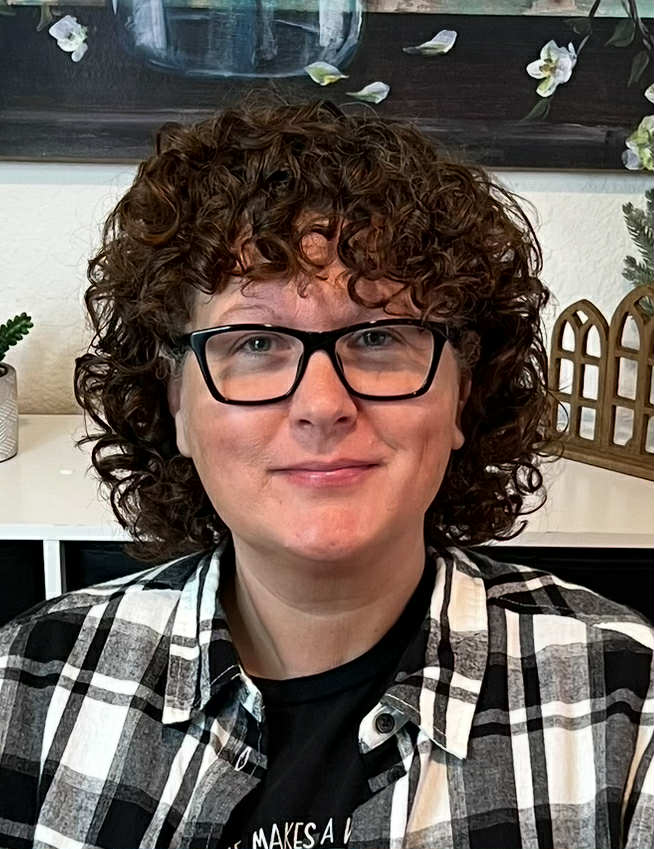
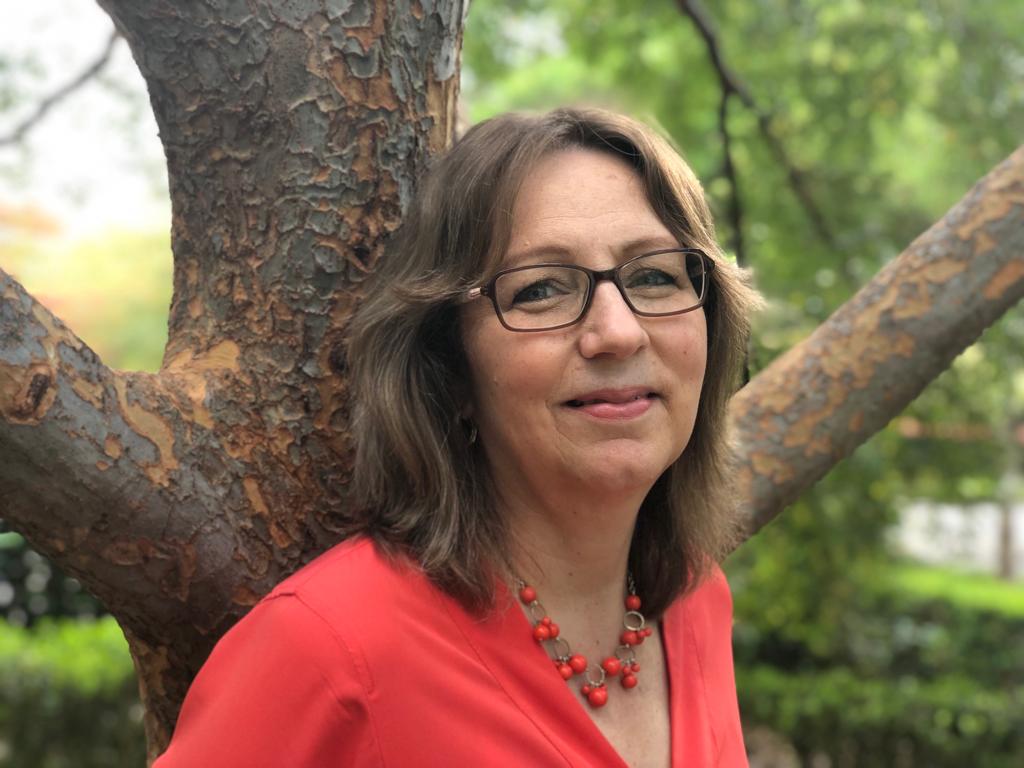
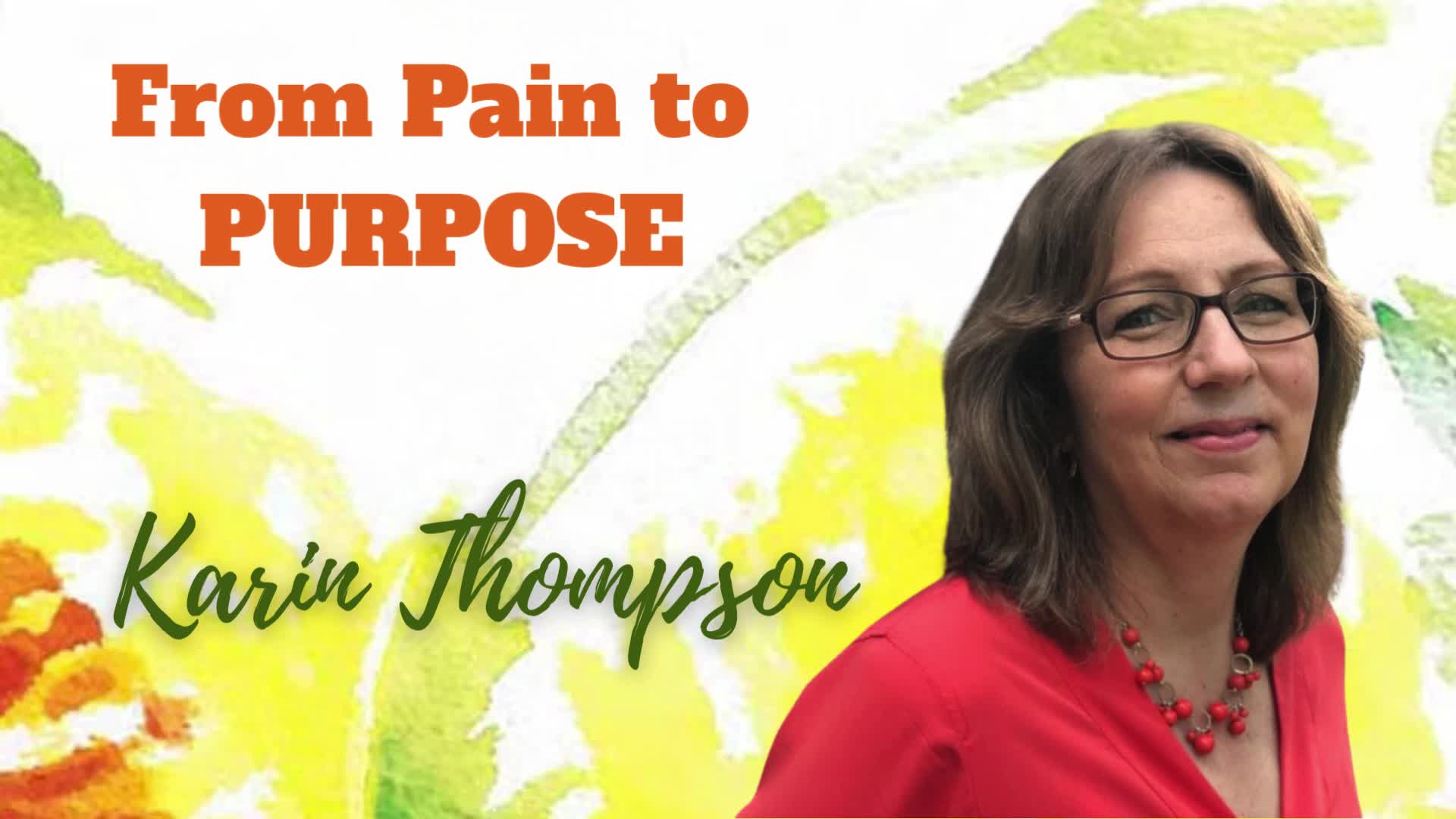
Encourager Karin Thompson shares her journey of healing, hope, and God’s unfailing love. She discusses her personal path to recovery from emotional pain and past wounds and how God met her during her deepest struggles to bring hope out of heartbreak. Through faith, forgiveness, and trusting God in life’s storms, Karin discovered that her pain had a purpose—a purpose that now inspires others to keep going, keep believing, and continue holding onto Jesus. If you’ve ever battled emotional pain, felt worn down by life, or needed reassurance that God still has a plan for you, Karin's testimony will speak directly to your heart.

Christian Author & Encourager

Hope-Filled Fiction and Faith-Filled Reflections for 
 Weary Hearts


***Karin's testimony is being transcribed & will be available soon.***


These are Karin's favorite scriptures...


Karin's Website


Karin's Non-Fiction & Fiction Books


Karin shared her testimony on...

Truth, Talk & Testimonies


Karin's testimony is also on...

VictoryEmbraced: Truth, Talk & Testimonies



22Jan

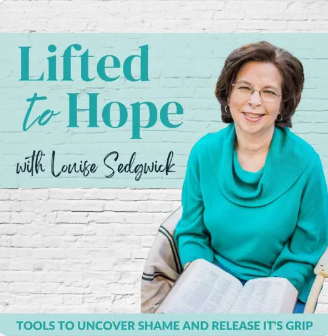
Louise Sedgwick grew up in a home where her parents were church leaders, but behind closed doors, she endured abuse and trauma. She gave her life to Christ young, but carried anger and shame for years. Slowly, God brought healing through the cross, and she found redemption as she served others, helping them experience freedom from shame.

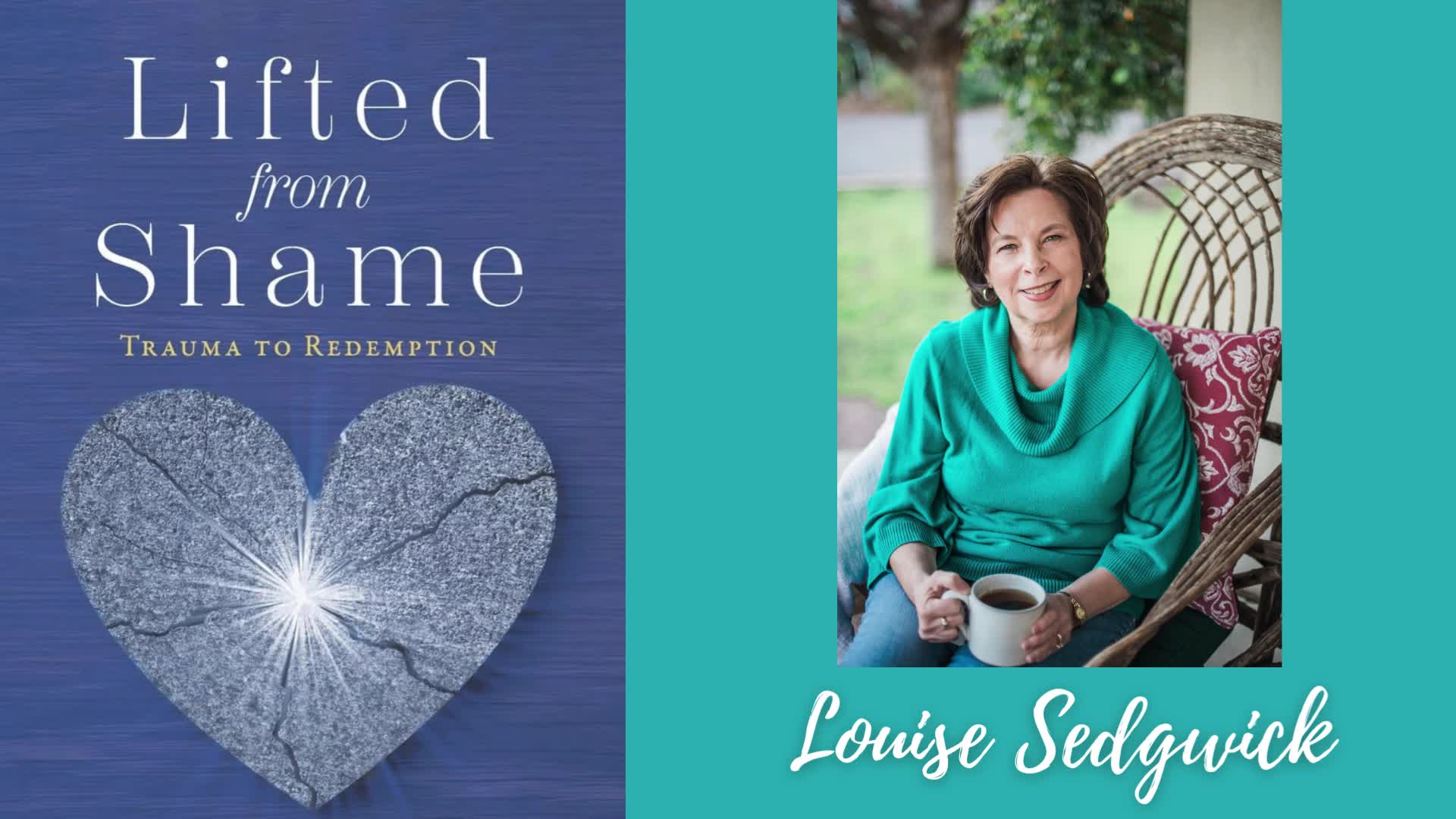
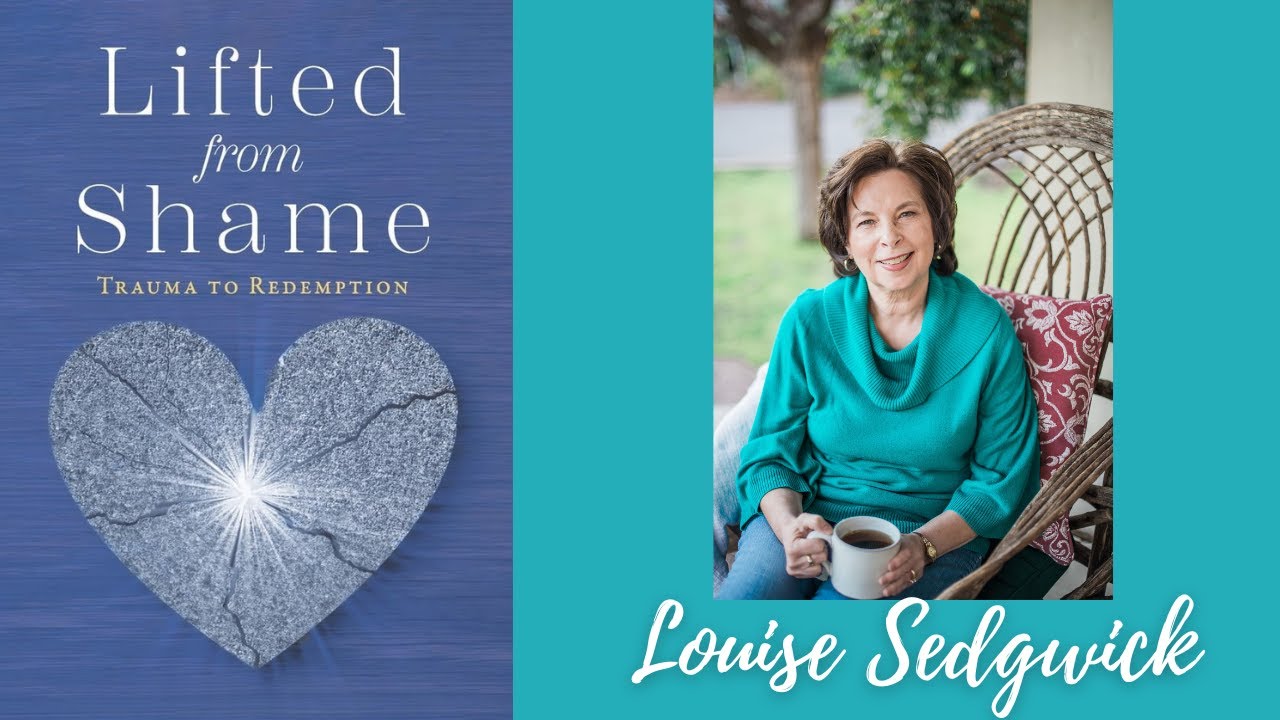
Louise Sedgwick

Author, Teacher, and Podcaster


Your childhood story is both heartbreaking and powerful. How did your experiences shape your faith and your understanding of God? Can you share about your childhood? 

Yes, I can do that. Sharing my childhood story is always painful, even though I’ve told it many times; it never gets easier. My parents raised my siblings and me in the Midwest and took us to church every time the doors were open. My parents were visible church leaders and respected in the community. But what happened at home was very different. My father sexually abused me throughout my entire childhood and sold me to other men—now they call it trafficking. They didn’t call it that when I was young—they just sold me, and we had to participate in child pornography. It was a very severe abuse and evil. And so you can imagine the conflict and confusion for me as a little girl, who was at conservative evangelical churches, where I heard the gospel, and I accepted Jesus as my Savior when I was little. Still, the turmoil of the double life that we lived was very confusing. 

When I went to church camp as a junior high schooler, I gave my life to Christ fully and said, “God, use me big for your kingdom purposes. I will be yours for the rest of my life.” And so here I was, having this desire to honor God with my life, serve Him, and be about His kingdom. And yet I had this literal terror going on at home, every day, every night, and I didn’t know that you could live without terror. Not just fear, but terror for my life. I loved Jesus with all my heart, but I had another thing going on in me–now I know it’s called trauma responses, but that was unknown and unresearched. I had a horrific problem with anger. And not just a little. I mean rage, like with the veins sticking out of your neck rage. Now, I know it was the fight, flight, or freeze response. It was a fight response of mine, trying to feel powerful when I felt absolutely powerless and hopeless. Shame overwhelmed me, and I felt like raw sewage. I believed that only someone worthless would receive such treatment. 

So, I felt like raw sewage, but I was really arrogant because I learned to be a perfectionist to survive. After all, my father would always say that he was going to abuse me because of some infraction I had committed, so I tried really hard to be perfect and never make a mistake. I felt I needed to perform to stop my father from abusing me. Of course, I learned later that no matter how perfectly I performed, it wouldn’t have stopped him, but that was my strategy as a child. 

When I was a really high-performing child and teenager, I thought I was better than other people. So I had both things going on: arrogance and deep, deep shame. And so I was judgmental and critical, and it was really messy, and I was a perfectionist. So here I was, loving Jesus and wanting to serve Him and have my life be all about His kingdom and honoring Him, but I was struggling with so much sin that I couldn’t control, and that made me feel so terrible about myself, and on top of that, I just didn’t believe that God loved me. 

I started teaching even as a teenager in my church because it was one of my gifts and part of the design of my life. I would teach all these things that were true about scripture because I’d studied scripture and gone to doctrine classes and all those things, and so I was doing all these teachings, all this truth. I knew a lot of truth, but I didn’t believe it for me–it was in my head, but there was a 12-inch gap between my head and my heart that was disconnected because I didn’t trust God, because how could I trust a God who allowed me to go through what I was going through. I was on an ongoing journey where I was trying so hard to be perfect and get my sin under control to stop being judgmental and critical, stop raging, and I just couldn’t get it under control because we can’t control our sin. But the teaching that I received was wonderful in so many ways. Still, it was missing the fullness of the gospel of how we live, not just by God’s grace for our salvation, but God’s grace for our ongoing journey as believers. I was unsure how to live. I felt awful about my failures as a Christian and what happened to me. And so when I was in my early 20s in college, I told God, “So far, everything you’ve taught me about the Christian life is a crock because I’m doing everything I was taught to do, and it’s not making any difference.” And I said, “God, if you are real and if your word is true, will you take me to a place where they can teach me a new way?” It was the turning point for me when God brought me to that place to teach me a new way. 

You mentioned a trauma response, and that’s for protection, like when fighters get in the ring, they put their fists up. So, you had a trauma response of anger, and that was a way to protect yourself.

Yeah. Because you think about it, when you see somebody who’s raging, you want to back away from them because it’s powerful. And so if I’m the one who’s raging, I don’t feel small or weak. I feel powerful and big. And it’s an illusion, of course; it’s not the truth, but it’s the feeling that it gave me. I didn’t love what it did, and I didn’t have an understanding for a long time of how my rage affected the people around me. I just knew it helped me feel stronger and safer. 

What was the turning point when you experienced real healing and freedom? 

Well, it was a process. I wouldn’t say it was necessarily a point, but it was a process. The healing began when I started attending 12-step groups for adult children of alcoholics, even though my father never drank, but he had a sexual addiction, so I was with other people whose parents had addiction issues. I began to understand the dynamics of a home where that is true. It took away some of the confusion for me to say, “Oh, this is common. These behaviors are common. The manipulation, the pouting, and the lies are common for someone in a home where there’s addiction present,” and so that was helpful. But then, as I said a little bit earlier, when God took me to a place where I could learn a new way to do the Christian life, He took me to a church here in Phoenix where I learned about God’s grace. Not just grace for my salvation, but God’s grace for my everyday life. And I came to understand, even though I’d been to Bible college and taken theology classes, I never fully understood the reality of what Jesus accomplished for me at the cross and resurrection. And that I was no longer a slave to sin according to Romans 6. I had lived my life as a slave to sin because I had repented and repented and said the words of repentance for years about my anger and my judgmental criticism and my perfectionism. But I couldn’t stop because it was stronger than me. And when I learned that not just by reading it, I learned how to live as though I was no longer a slave to sin—how to repent in a way where God does the work in me. Because even when I was in college, I said, “God, take me to a place where I can learn a new way.” I said to Him, “As far as I’ve been doing in trying to deal with my sin, God, I’ve been the one doing all the work. And if there is victory over sin in a believer’s life, there has to be something supernatural involved. You have to do something about my sin, not just me trying to control my sin.” And so when I learned about this new church through God’s grace, I learned how it is that it’s the Holy Spirit in me, Christ in me by the Holy Spirit, that is stronger than sin. Christ in me, by the Holy Spirit, can forgive. Christ in me by the Holy Spirit doesn’t have to hang on to shame and can trust God. And I had never heard that. I missed it if someone taught it to me. But that’s what began to change my life, to say I didn’t have to make it happen. I could believe that God could make it happen. The Holy Spirit could make it happen in me. And that changed everything for me. He's faithful to hear our prayers and remember them even when we've forgotten them and to answer them in His perfect time. I'm grateful for His mercy and grace toward me. 

What are some practical ways people can find hope and healing through Jesus, even in the midst of deep pain? 

Well, I think for me, one of the big shifts that helped me was I knew that Jesus had died for my sins, but I didn't comprehend or grasp that Jesus didn't just die for my sins. He died for the sins that were done to me, so I could have healing for the sins that were done to me, because otherwise, there would be all this abuse that I had endured from my childhood that was lying in me, and I didn't know how to give it back to my parents. I was holding on to it, and I was holding on to the shame from it. And so, I didn't have any idea that my way out, my way toward healing, was to come to understand and live out the truth that Jesus died for the sins done against me. That I could forgive my parents because their debt was paid by Jesus. I could have hope that all these things didn't define me because Jesus paid the debt for those sins. He paid for the shame of those sins done against me, and it lifted my face toward heaven to say, "Oh, you love me that much that you would die for what somebody else did for me so that I could be free. Wow! Wow!"

A lot of times when we’re going through things, if we get our focus off ourselves and our issues and we start serving others, it helps our healing process a lot. So, when you first began serving others while still healing yourself, what was it like to see God use your story to bring hope to someone else?

Oh, it was the truth that I had learned as a child that Jesus is our redeemer. It became my reality because He redeemed my soul. He redeemed my life from the pit, as it says in Psalms 40:1-3. He lifted me out of the pit. He redeemed me so that others could experience Christ through me and the healing of Jesus through me because I had experienced it myself, and I knew what it meant, and I knew what it looked like, and I knew how to help other people because I had learned it for myself. Psalm 40:1-3, “I waited patiently for the Lord, and he reached down to me and heard my cry. He brought me up out of the pit of destruction, out of the mud. And he set my feet on a rock, making my footsteps firm. He put a new song in my mouth, a song of praise to our God. Many will see and fear and will trust in the Lord.”  I felt that I was in the pit for so many years, and I tried to claw my way out by myself, but He lifted me out of it through Jesus and what Jesus accomplished for me on the cross. And I’m so grateful.How did your perspective on forgiveness, both of yourself and others, change as you walked through your journey of healing?Well, in the beginning, honestly, I did not want to forgive my parents. I wanted them to suffer. If I can be this bold, I wanted them to be in hell. I did not want them to heal. I did not want them to be forgiven. And in the beginning, I knew I needed to forgive my parents, but I didn’t want to. And I had never truly forgiven anyone in my life. I didn’t know how to. I could say the words, but I didn’t mean that I had let it go. There was a debt to be paid, and a debt that was owed. And I didn’t want to forgive my parents until they owned up to what they did. And so it was a journey for me to come to understand forgiveness. I could forgive because Jesus had paid the debt. But I also had an even harder time forgiving myself because my anger and rage were present when my children were growing up. And I raged a lot at my husband, and my children witnessed it, and my judgmental criticism and my perfectionism deeply, deeply injured my family. I had a lot of self-hatred for the sins; they were trauma responses, but they were also sins for what I had done to my family and the damage that I had done. My prayer had always been that I wouldn’t hurt my children, especially the way my parents had hurt me. While I didn’t inflict the same pain on them as my parents did on me, I still caused my family to suffer. And so I had just so much self-contempt for years and regret, deep regret for what I had done. And so, learning to forgive my parents was the first step. But the second step was getting to a place where I could forgive myself and receive God’s grace for me.

My husband and I were going to confront my parents because they were in positions of church leadership, and my pastor at my church was going to go with us to confront them. He told me that I had to forgive my parents before I could confront them, so that was my motivator, not in any Christlike way, but because I wanted my parents exposed. I wanted them out. It wasn’t from a heart desiring reconciliation whatsoever that I was in the forgiveness process. But I just had to ask God to help me forgive because I wasn’t willing to forgive, nor was I willing to be willing to forgive. And so I had to pray three times, willing–God helped me to be willing to be willing to be willing to forgive. I prayed every day for months because it wasn’t in my willingness to forgive my parents—it was not going to come from anything in me—it had to be Christ in me that could forgive them. 

How has Psalm 34:4-5 touch your heart and life?

My heart is to walk with people so that they would know the healing of Jesus from the shame that they feel for what they’ve done or the sin done to them. I always say that if God can heal me, He can heal anyone because it’s about Him and His power. The scripture from Psalm 34:4-5 is precious to me because it’s the calling of my life to share with others how we can be lifted from shame through Jesus and His grace. 

Psalm 34:4-5

I sought the Lord, and he answered me; he delivered me from all my fears. Those who look to him are radiant; their faces are never covered with shame.

This scripture says, I sought the Lord, and He answered me and delivered or rescued me from all my fears. I went from being a woman who felt worthless and unlovable. I didn’t have what it takes. I couldn’t measure up. I believed I was unwanted, but now, because of all that God and Jesus have done in me, I feel loved, known, cherished, and beloved—all of it. I can look to God and not feel shame. I can feel His delight in me. I know I’m treasured by Him and that through Him I have what it takes. That is a complete transformation. Not that I don’t or can’t feel shame now and again because I live in a sinful world, but it does not own me like it used to. He’s not only a redeemer for me, but He’s a redeemer for everyone who chooses Him. 

Looking back on your journey of redemption, what advice would you give to somebody who feels trapped by their past or ashamed of their story? 

First, I would say I understand. I’ve been there. I lived it. And this is why Jesus came. He came to set the captives free. He came to seek and to save those who were lost. And I remember crying out to God and saying, “That’s me. I’m lost. I don’t know how to do life. I am lost. You came for me. Show up for me, Jesus. Show up for me. I’m lost.” And He did. He did show up for me. More than just show up for me. He healed my soul. He transformed my life. He redeemed my life from the pit. Jesus wants to do that for you. You are not ineligible. While we were yet sinners, Christ died for us. He doesn’t expect us to have it all together because nobody does. 

My pastor at the church where I served for all those years, my favorite line that he said was, “There are no together people, just people who dress better.” And I believe that. No, nobody’s got it all together, but we can live in confidence of our worth and value because of Jesus. And that frees our hearts and allows us to stand in who He designed us to be. And when we live out who He designed us to be, we have a confidence and a joy and a peace that comes from Him. We don’t have to compete with anyone. We can trust that He’s going to open the doors for us, and we just have to walk through them. And that’s been my life. I dreamed I always wanted to be in full-time Christian ministry, and I felt completely ineligible because of how broken I was and how I overreacted to things. I was socially awkward sometimes. I raged. I was so judgmental and critical. And I thought, “Nope, God could never use me,” but He qualifies the called, as that old saying goes, that when we allow Him to do His work in us with open hands of surrender, saying, “You do it in me, God,” and we believe that He can do it—He will absolutely move in our lives, and it’s a miracle; my life is a miracle 100%. 


These are Louise's favorite scriptures...


Louise's Ministry Site


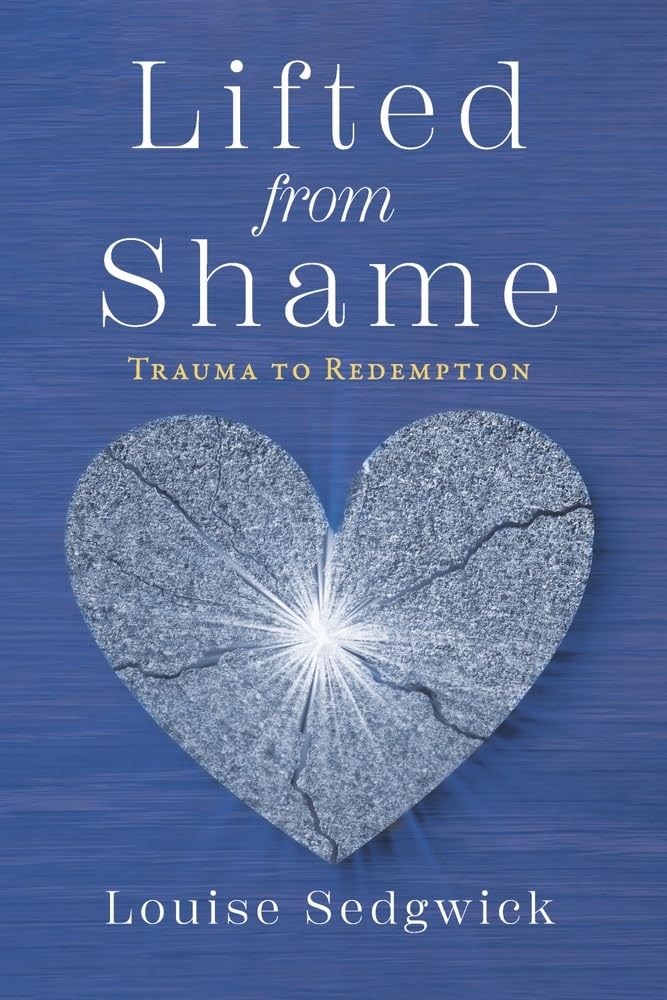
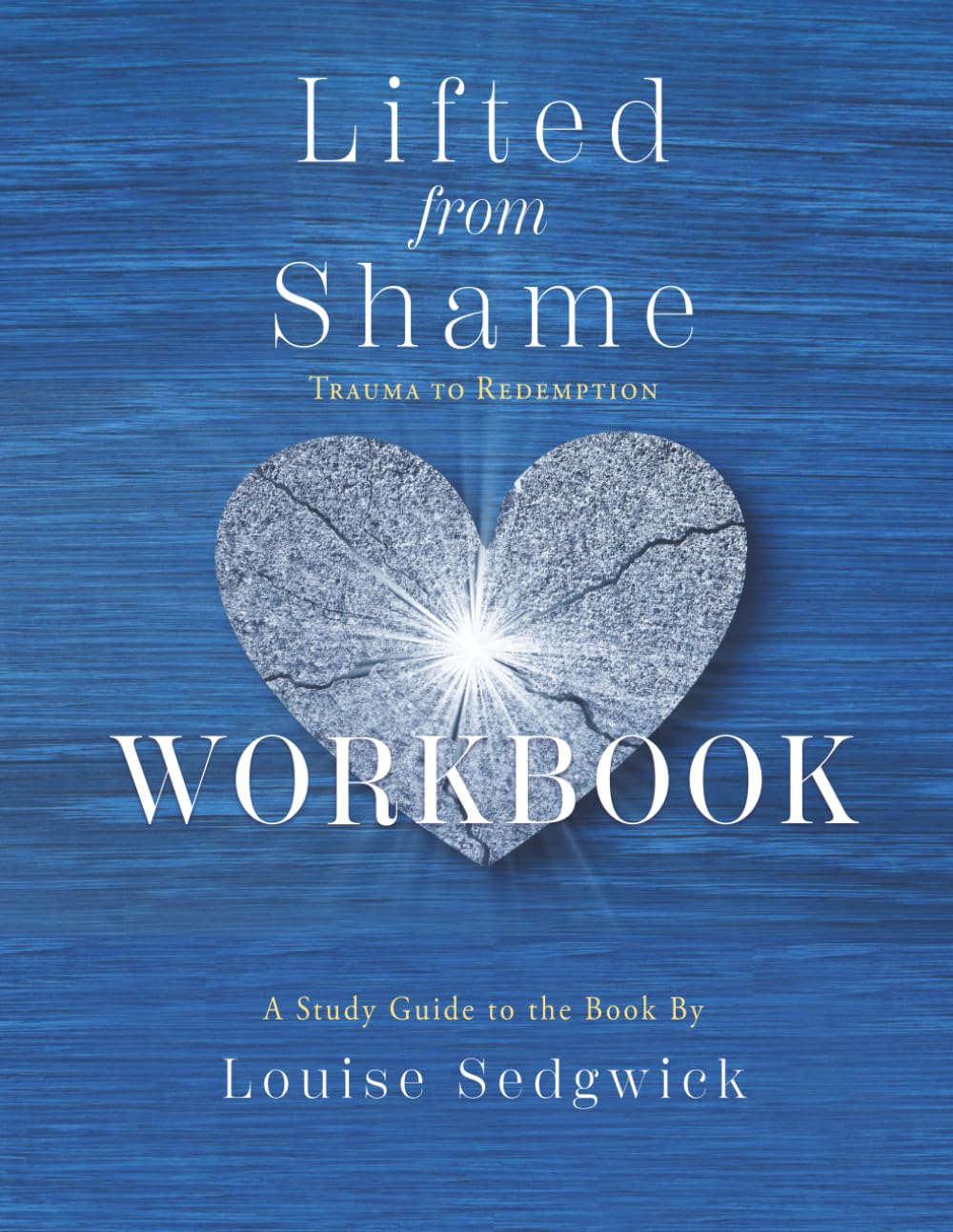
Louise's book & workbook. Get your copy today by clicking on the book covers!  


Lifted to Hope Podcast


Louise's Social Media Platforms


Louise shared her testimony on...

Truth, Talk & Testimonies


Louise's testimony is also on...

VictoryEmbraced: Truth, Talk & Testimonies


07Jan

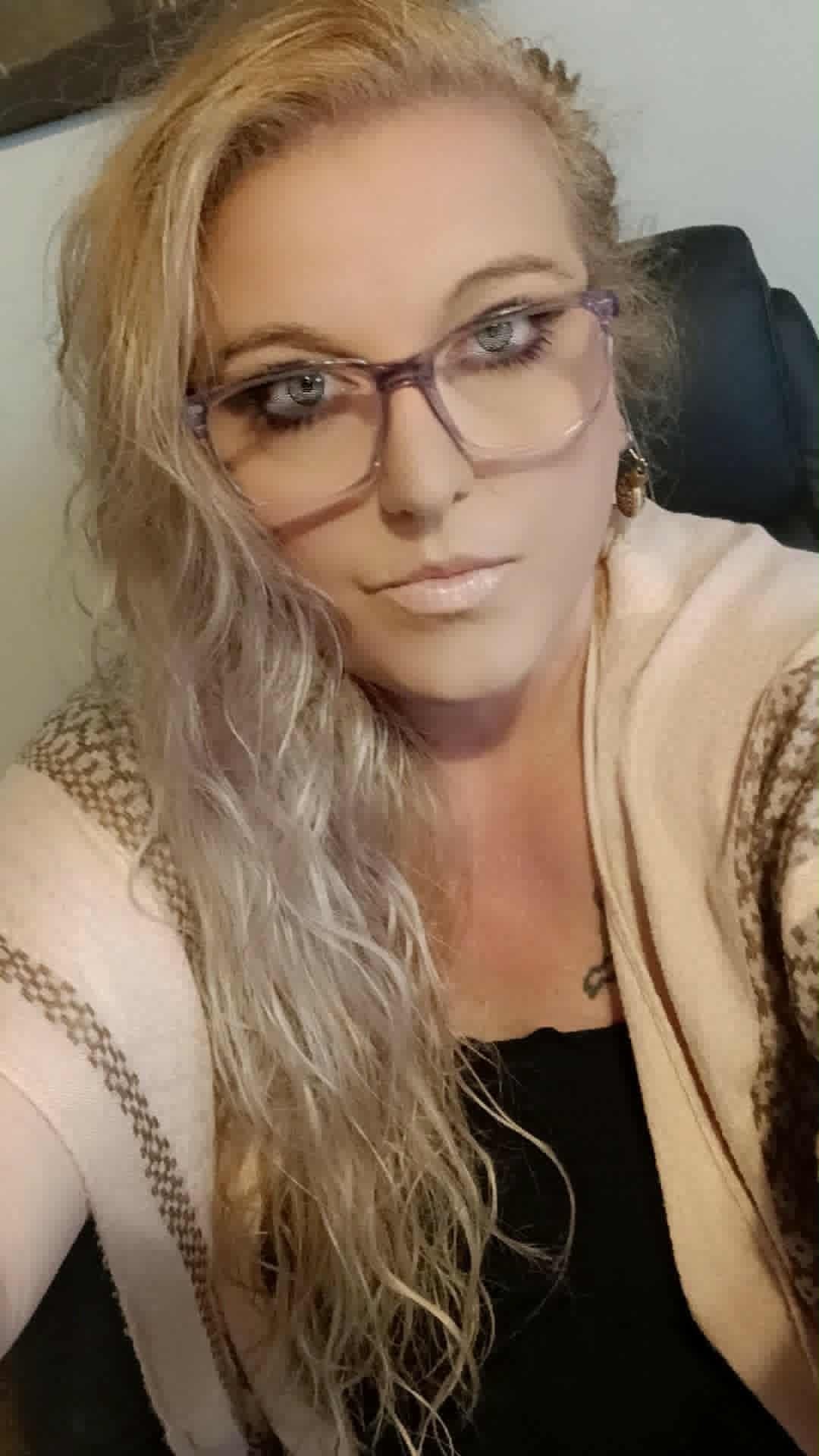
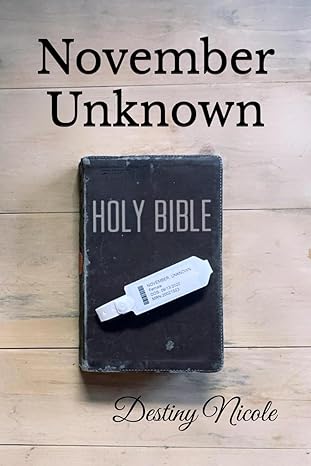
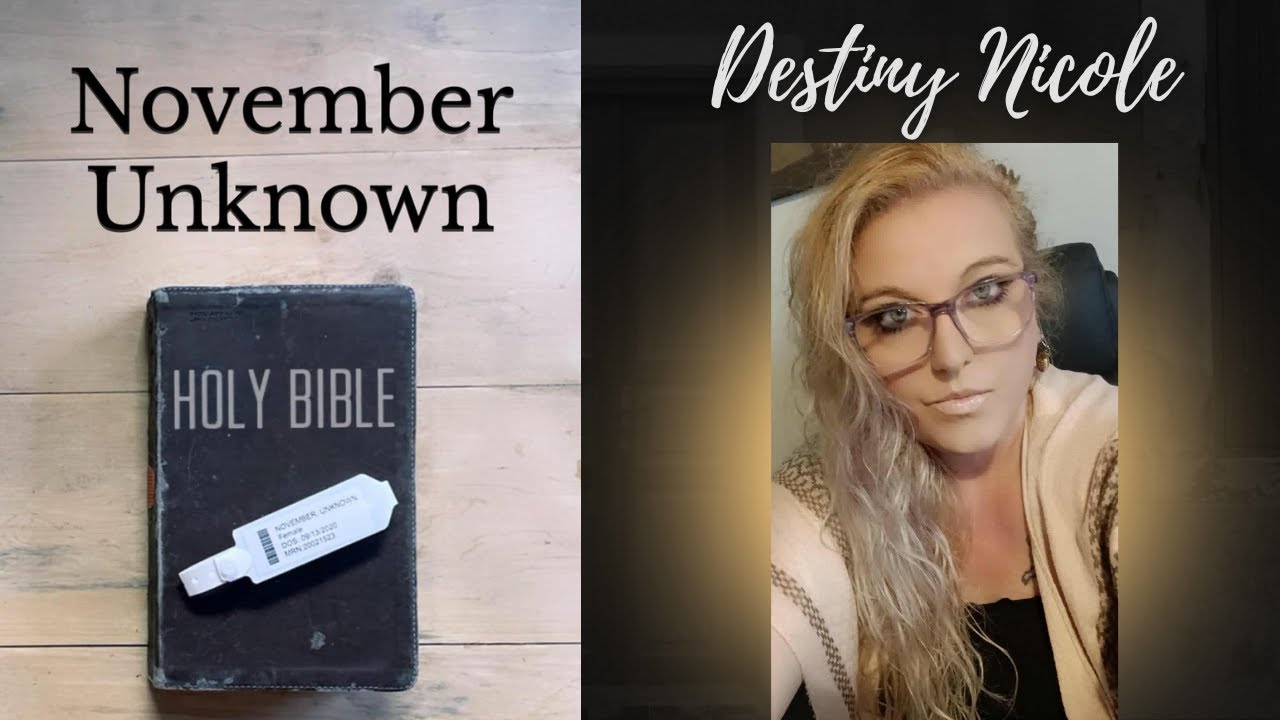
For years, Destiny lived under many identities shaped by pain, tragedy, and labels placed on her by others. But everything changed in a moment that should have been the end. Rushed to the hospital and declared clinically dead, she was known only as November Female Unknown. The world didn’t know her name—but God did. While her body lay in a coma, Destiny encountered Jesus Christ Himself. In His presence, she discovered the truth of who she really is and experienced a love so profound it forever altered the course of her life. What Jesus revealed to her reshaped her identity, deepened her pursuit of Him, and redefined what truly matters. This testimony will take you beyond the pages of November Unknown and into the miraculous—where death met Life, the unknown was fully known by God, and a powerful testimony was born.

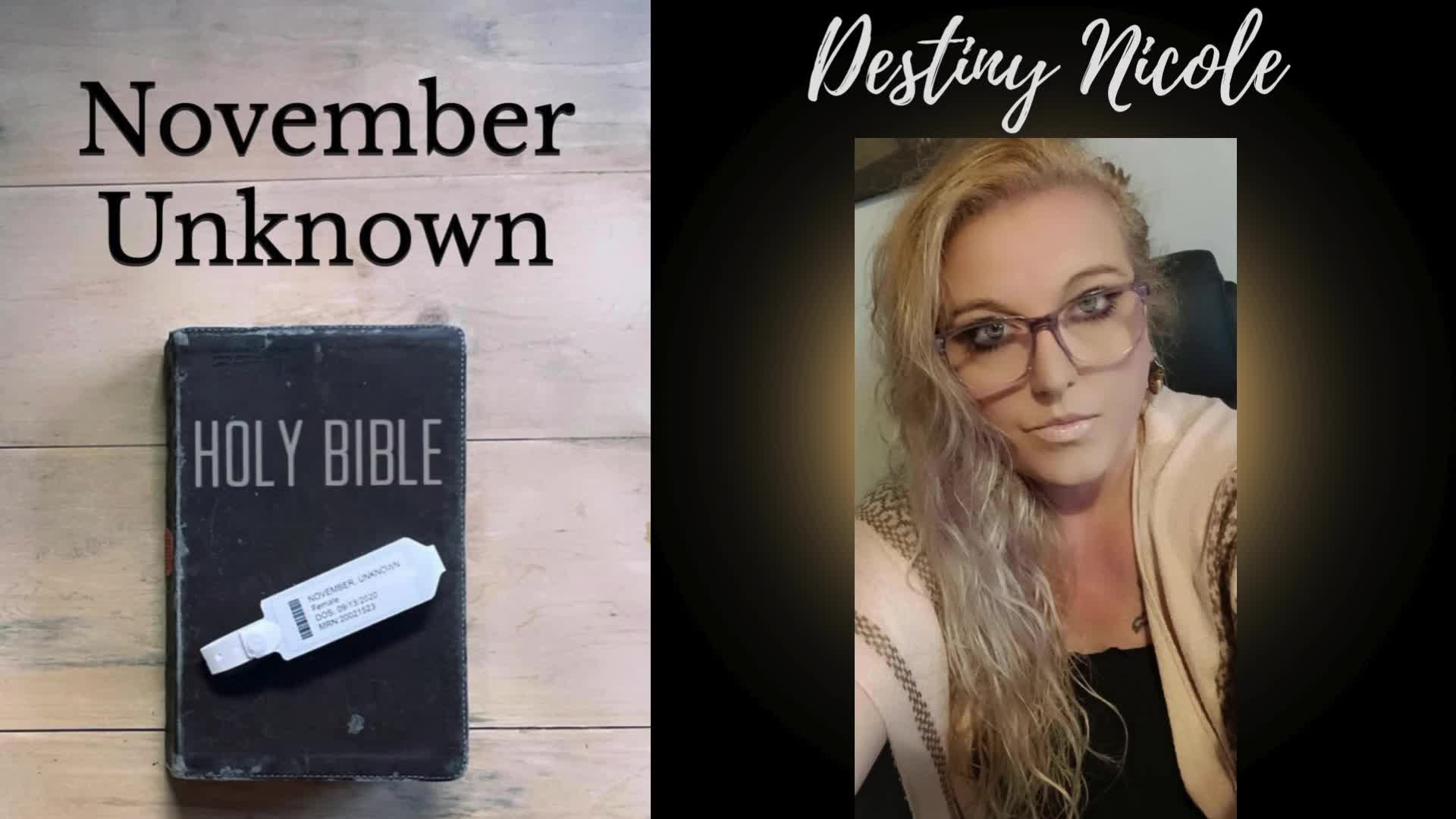
Destiny Nicole

Author and Co-Founder of Warrior Connections 

and Battle Buddies


These are Destiny's favorite scriptures...

In your book, November Unknown, you talked about how you had many identities shaped by pain and labels others placed on you. Can you share some identities that you used to have?

When I woke up from my coma, I woke up with complete amnesia. Jesus literally walked me through each stage of my life where I went through childhood abuse, and that became my identity. Then I was in an abusive marriage, and I struggled to leave it, and I went through different identities because of the abuse. The next would’ve been paganism, where I was seeking after witchcraft and doing magic, and living that life. I thought that was what I needed to do to be a strong woman, as I had only known abuse at that point. In Paganism, they glorify the goddess and women, and I wanted to be a powerful woman. So I thought that’s where I would get it from. So I sank myself into that identity. And then I started working for a company that I later bought, having worked my way up through it. So I held many identities, and I just wanted to feel important–I wanted to be somebody that my children could look up to. I thought that becoming a strong woman would give me the answer, even though no one ever gave me an opportunity. My favorite identity was being a mom. The best identity I still have. I’ve adopted many children, and I love children. I did that because I knew this world is so mean, and what it was like to be a child. Unprotected, the world just engulfed me, and I wanted to be a different light for children. So that’s what I think grew my refined, my love for children was just because of what I lived through.

Your story in November Unknown is truly miraculous. Could you tell us about when the hospital rushed you there, and they said you were clinically dead with only a 4% chance of survival? So what, what happened, and what did you experience in that coma?

Yes. Because I lack six years of memories, I share things I’ve been told. So, there are a lot of memories I haven’t regained. The last thing I remember is living in Canada and returning to my ex-husband, whom I had been with before. I, okay. Went back to him again. I don’t remember moving to the state I’m in now.

I ended up in another relationship with yet a different abuser. So he had poisoned me. That’s how I actually ended up in my coma because of the poisoning. The EMS found me face down, unresponsive to pain, and already turning blue. They brought me in a sheet and were taking me out of my house.

And the EMS worker saw my stomach filled with air, and they started compressions, leaving so quickly that they didn’t even grab my identification. When I arrived at the hospital, they registered me as a Jane Doe because they didn’t know my identity. Now, they use a month, gender, and unknowns, which is how I became November Female Unknown. That’s where the book’s title comes from.

They use a month, your gender, and then unknowns. Oh, I didn’t know that. People knew me as November Female Unknown. So that’s how I — that’s where the title of the book came from. And once I got to that. Once the ambulance got to the hospital again. I died again at the hospital. So you died twice? Twice. I died on the 13th, but it was like 11 p.m.

It was really late. And then by the time I got to the hospital, it was the next day. So I died on November 13th and then November 14th, and that’s when I slipped into a coma. That’s where the book name came from. 

Can you share your experience with Jesus, as not everyone gets to experience what you did?

Absolutely. One of everyone’s favorite questions is, Could you hear the doctors and people around you talking when I went into my coma? I couldn’t hear any of that. I am afraid of water here on Earth, especially water that I can’t see the bottom of — it terrifies me. But I was white water rafting down a raging river, and I was in this boat, and there was a rope that went around the sides of the boat. I grabbed onto the rope, and I turned just slightly to my right. And Jesus was standing in the boat with me, unmoved. The sound of the water was so loud, and everything was so crisp and bright. And I said to Him, “I’m scared,” not because I was feeling fear, but because I knew that’s what I was supposed to say. And He turned to me, and not only in seeing Him did I know who He was, but in the roar of His voice, and He spoke, “Move when I say move, and stay only when I say to stay.” He paused on the word only, and I still don’t know why yet, but that’s what I’ve been doing ever since. I’ve learned to love the pause. And the Bible verse that says to pause and be slow to speak drew me in because I have to pause. We react rapidly as a society due to our fast-moving world and split-second choices. But if you just pause more and seek what He wants for you before you take even the smallest step, then the big steps are easier to pause at.

I have sought His picture ever since, and have yet to find it. I have people who send me pictures of Him regularly. There’s one picture that is very close to His presence that I’ve been able to find, and I can’t say He has a nose like this person or a feature like that person. He’s every emotion you’ve ever felt at one time without being overwhelmed. Every time I try to describe His voice, it just gets stuck inside me. He has a voice of agape love. Strict, firm, gentle, protective–for the first time in my life, I felt love because I had lived in so much abuse and I was seeking so many identities, trying to make myself feel important, and none of that mattered.

When I stood in His presence, I was just His. And I was enough, and He loved me. I always wished to be loved like that in that moment, and I always think that if everyone could have a second of that experience, their pursuit of Jesus would be very different today. 

So it was during your time with Jesus that you learned who you truly are in Him? 

Well, I was told that I was a Christian before my coma, so I had left paganism and moved to Florida, and I was working with the youth at church. I don’t remember the defining moment that made me a follower of Jesus instead of a pagan–I have no memory of that, and I rarely ask Him for memories back because He knows more than I do. And if He took them away, there’s probably a reason. I wish I knew what drew me back to Him, but I’m glad I was with Him, and was in that boat with Him. When I woke up, Satan immediately preyed on my vulnerability, whispering doubts about Jesus’ acceptance of me. So I went through a tough time, and I went right back into the abusive situation. The hospital had sent me home with the man who put me in a coma, and I went right back into the abuse the day I came home.

How is God using you today? 

In my book, I discuss my daughter and armoring up. In the morning, we put on our armor, and there’s a little blip in the book that didn’t really make sense at the time I was writing it, but the Holy Spirit really wrote my book, and later, from my book, I developed because I’m so nervous to speak. I actually wrote the book so I wouldn’t have to speak. Because I’m such a shy person, I wanted to give my story to other people to share. I was asked to speak at a bunch of events to share my story, I would get very nervous, so I would write out everything to say and get up there, and then forget to read everything that I wrote, and I would stumble over myself.

I was speaking at a revival, and there were youth kids there, and I turned and started talking to the kids, and it felt so natural to me because I love children. So the armoring up developed into Battle Buddies, where my best friend, Trisha, and I Get in The Word Ministries and we do team verse and team games, which are object lessons, for children and family’s and as they come in, they choose pink or green, and they are team verse and team games, and everyone gets to have fun—it’s like the old VBS-style games, and it’s an object lesson of being labeled with an identity that sometimes they didn’t get to pick for themselves or that sometimes they come in and they all wanted to be team green or somebody wants to be a different color, and who you surround yourself with, sometimes you give up pieces of your identity. So, it’s important to stay around people who are leading you in the right direction. Trisha shares her testimony about her car accident. And I share about the identities that I have in my testimony.

Some who are reading your story may be facing their own struggles—identity battles, despair, or even depression. What message of hope and encouragement would you want them to take away from your testimony?

To seek Jesus and know that you are enough. You won’t find true healing or identity anywhere else, so let me save you the time of trying all the paths this world offers or the schemes the enemy will send your way. Just pause… and sit at the feet of Jesus, because that’s where the answers are. 

My pursuit of Jesus looked different. It didn’t matter that I had been a witch or that I was abused—none of it mattered. Getting to Him mattered most. And when you put Jesus in the position where nothing else matters, the little agitations that once consumed you lose their power. God brought me back for a reason, and as He walked me through each of those identities, He kept saying, “I was there.”

I lived through domestic violence. Some women stay because they believe they can’t make it on their own. It’s incredibly hard—especially when you finally reach out for help, but the abuser is only held for 72 hours and then comes right back home. That doesn’t give a woman enough time to escape… but leave anyway. That is my biggest advice: leave anyway. You are far more valuable than sacrificing your life and identity to live for somebody else. You matter. Your safety matters. Your life matters.


Destiny's book, November Unknown. Get your copy today by clicking on the book cover.


Ministries that Destiny leads or partners with.


Battle Buddies


Get in The Word Ministries


Warrior Connections YouTube Channel


Warrior Connections is on Beyond FM Radio every 

Thursday at 6 pm CT.


Destiny shared her testimony on...

Truth, Talk & Testimonies


Destiny's testimony is also on...

VictoryEmbraced: Truth, Talk & Testimonies

VictoryEmbraced: Truth, Talk & Testimonies every other Tuesday at 11 am CT on Beyond FM Radio. 


06Nov

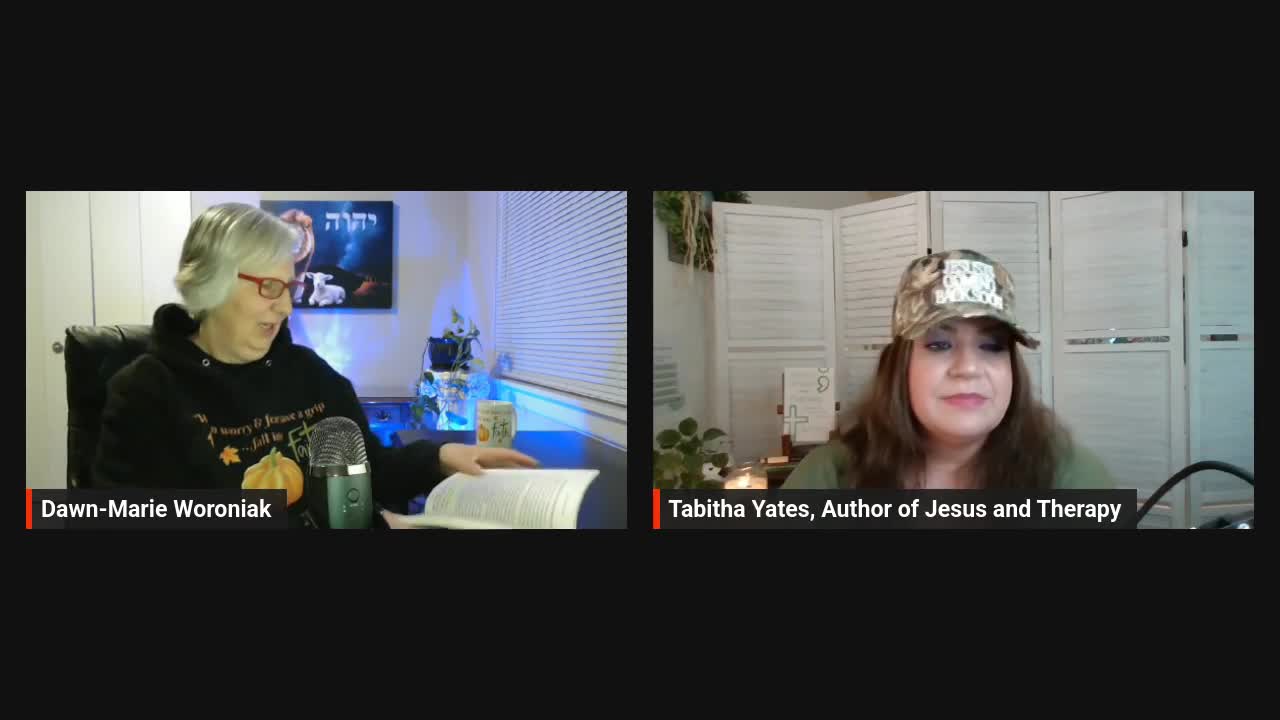
Faith and mental health come together in this powerful Christian testimony from bestselling author and mental health advocate Tabitha Yates, known as The Redeemed Mama. Through her honest journey of faith, healing, and therapy, Tabitha shares how Jesus restored her hope, renewed her mind, and led her to find lasting emotional freedom.

Tabitha Yates

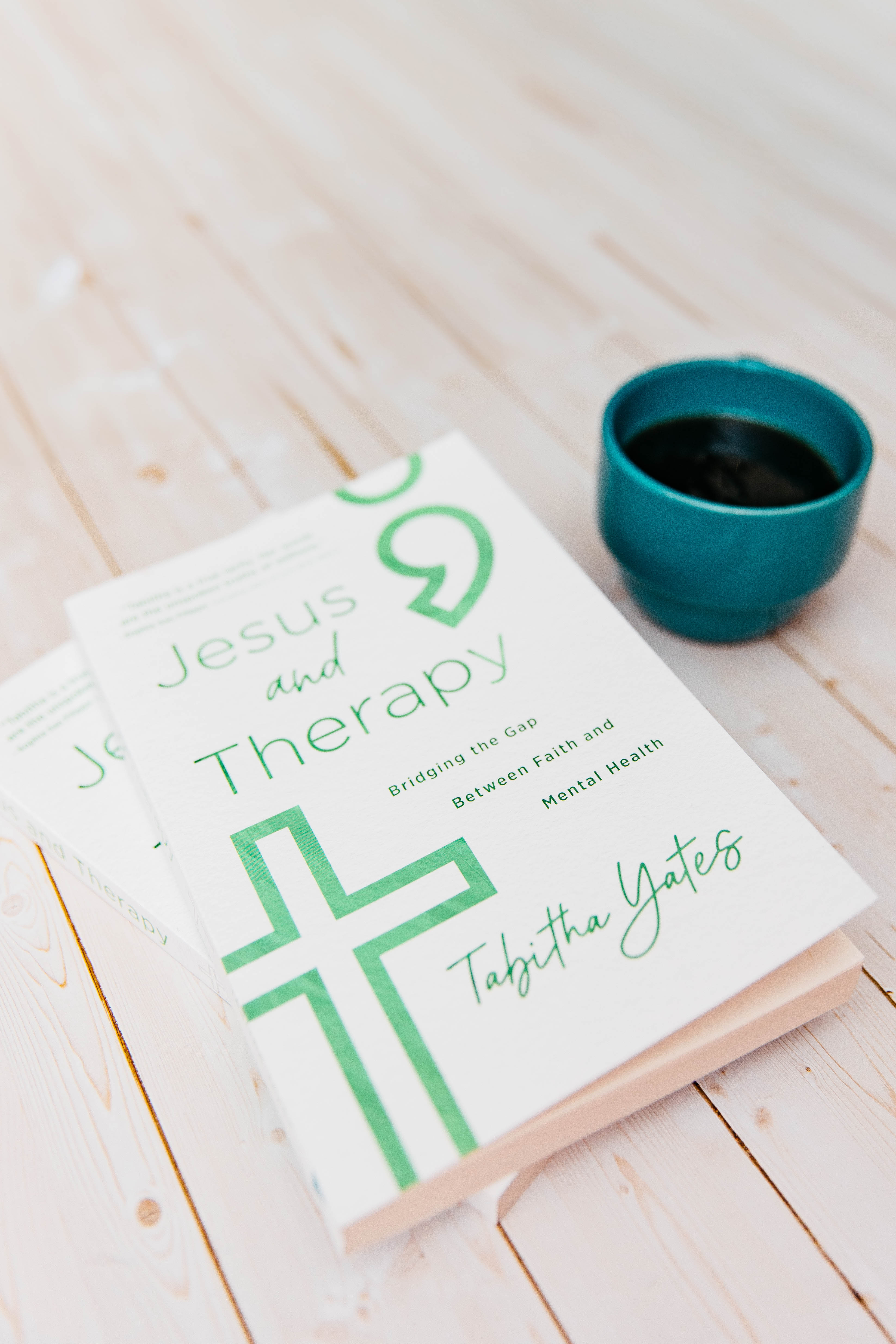
Bestselling author of Jesus and Therapy: Bridging the Gap Between Faith and Mental Health 


These are Tabitha's favorite scriptures...

Tabitha, you speak openly about surviving physical and spiritual abuse. How did you find the courage to break the silence and share your story, and how did your own journey with faith and mental health shape its message?

First, unfortunately, there are a lot of systems in place to protect people in power who are abusive. So when you’re talking about church and spiritual abuse and those things that I went through, that was very scary to talk about, and then when you’re talking about family abuse, nobody wants you to bring that into the light, of course. 

And so I had to walk so closely with Jesus through this process because I needed to know that I knew that He was in it, that He was commanding me to do this, that He was giving me the words because there was so much fear interjected into the whole process, and what if someone sues you, and what if your ex-pastor comes after you, and what if your father comes after you, and all these things where I was like, “Okay, like those are some legitimate fears,” and to be able to open up, that was one of the most significant parts of my healing. I realized that my silence was not protecting me; it was protecting them, and the people who have wounded and hurt me have been avoiding accountability for decades. Therefore, it was a type of reckoning, like I wasn’t going to cover for them anymore, I wasn’t going to hide, and I wasn’t trying to drag them through the middle or bash, and I made sure to change their real names. I was very respectful, but I am going to tell the truth and talk about what I experienced because it doesn’t matter—it did happen. 

And so it was a raw, you know, third, fourth, and fifth healing process for me because I had to get to a place on my own healing journey where it wasn’t triggering to talk about. I wanted to be speaking from a place of healing, not from a place of wounding, because I didn’t want that to be filtered through which I was, you know, saying things to people, and that was really important to me. So, throughout the blessing before the Lord, there were a lot of bathroom floors and sob sessions as I continually surrendered to God, letting Him wash over me and heal me, and letting Him use my story to hopefully go out and heal others. 

I think the book is very much a companion guide because I’m never coming at it from the angle that I’m healed, mainly because of how complex my trauma was—my healing is going to be a lifelong process. So the book is very much like, “Let me come alongside of you and show you what I’ve learned in the last 20 years of healing,” so maybe it will give you a little of a roadmap in areas where it’s still really foggy for you, and that was my hope because I didn’t have the church or parental leadership—I didn’t have anyone walking me through healing, just Jesus, myself and my counselor, so I feel like I was going through this jungle with a machete and clearing a path that did not exist. I’m like, “My goodness, if I can go to someone a few miles back and be like, ‘Here, you know, I cleared a little of the way. Like, here are a few ideas.” Here are a few tips. Here are a few things that got me through and made their healing journey a little easier. That was my heart. There was so much to do, and that was to illuminate a path that had been so hard to carve out, and for other survivors to do it with just a little bit more of a roadmap than I had.

My abuse was spiritual, verbal, emotional, and narcissistic. Every safe adult in my life subjected me to every type of abuse imaginable, so I was incredibly confused and believed, “I guess this is just how grown-ups are, and there’s no safe place.” It led me to become severely suicidal because I’m like, “There’s no way out,” and I couldn’t escape the abuse anywhere I went. 

How did you start your healing process? Can you share a couple of steps you took? Was there anyone in your family or at your church you could go to, or a friend who came along with you, who could share what you were going through?

I unfortunately needed to break before I rebuilt—part of my journey was that my church did not believe mental illness was a legitimate thing at all, so everything was overspiritualized. I was not allowed to go to counseling. Even in the beginning, from having childhood abuse and parents who divorced dramatically, and all the things I’d gone through, where counseling would have been beneficial, I was not allowed to do that. Then it got to the point that it literally led to me overdosing and attempting suicide before I could see a counselor, so it took getting that bad because again, that was the only escape from the abuse and the hell I was in that I could see, and that was the only way out. After that act, I got locked down in a psych ward on suicide watch by the time I was 16 years old.

I was able to start seeing a Christian psychologist, and it took a lot of healing and years to unravel myself from toxic systems and relationships. It also took me growing older and finally being able to make choices for myself—saying, “Okay, I’m not going to do this anymore. I’m not going to listen to this person anymore. I’m not going to go to this church anymore.”It took a complete shattering of my faith, because for so long my faith had been placed more in people than in God. I had lived in such a spiritually abusive environment where the message was always, “We speak for God; you don’t hear from Him yourself.” Everything spoken to me in that system was damaging and wounding. I had to completely separate people from God and realize that everything I had been told about Him was not true and not biblical. I had to burn it all down to the ground and start over—rebuild my faith and find the truth for myself. There were two women in my church who would still say hurtful things, though not intentionally—they meant well, but they didn’t understand depression or suicidality. Still, a few people tried to show up for me and love me during that period. But they weren’t the ones who should have been protecting me, sheltering me, or helping me at that point. 

It took a long time to unravel everything I thought I knew about Jesus—what He felt like, what He felt about me—and to rebuild my understanding of His love. I wrestled with believing that He could still love me after all I’d been through. I wondered if I was some disgrace to Christianity because I was depressed and traumatized. I remember pastors and elders telling me things like, “God’s done with you. You’re beyond saving. You’re not even worth saving.” They said God had washed His hands of me—and that permitted them to do the same. I truly believed I was worthless, beyond saving, and that even if God could save me, He didn’t want to. The level of damage that was done to my faith, my psyche, and my sense of self was enormous. It’s taken a lifetime to undo all of that and to rebuild a foundation that actually comes from the truth of Scripture.

My earthly father’s abuse deeply distorted my view of God. On top of that, many of the church leaders I grew up around also abused me, and I ended up projecting all of that brokenness onto Jesus. It took time—and a lot of healing—to finally develop a healthy, personal relationship with Him that wasn’t shaped by my past pain.I reached a point where I had to step away from those people and toxic environments. Everything they poured into me was rooted in lies, not truth. Setting healthy boundaries became necessary for my healing. And I’ve learned that boundaries are not unkind—they’re actually a loving and wise way to protect the heart God gave you.

Many Christians struggle with the idea of seeking therapy and think that it shows a lack of faith. In your book, Jesus and Therapy, you share six false beliefs to help Christians know and understand that faith and therapy work together. Please share about these beliefs.

What encouragement would you give to someone watching who loves Jesus but is quietly battling anxiety, depression, or burnout—and doesn’t know where to start? 

I think there’s no reason for churches not to be trauma-informed, not to have a care team, and not to have people who understand mental health. I think this even extends to awareness training for people with special needs, to make sure we don’t further wound them. Because again, there’s another level of harm when we wound people in God’s name. 

We need to be the safest place. We need to be a place where people can go to heal. And we need to stop being uncomfortable or put off by pain. We also need to stop rushing people through the healing process. So much of what happens is spiritual bypassing—just slapping a verse on someone’s pain and pushing them past actually sitting with what they’ve been through. There is a difference between ruminating for years and actually walking through your trauma. Real healing requires sitting with it. It requires feeling it. And we can’t heal what we won’t name. 

As Christians, we need to become okay with discomfort. We need to be willing to hold space for people—their journeys, their grief, their pain—without feeling like we have the right to tell them how to grieve or how to heal. Of course, we can always point them to the arms of a loving Savior who is walking with them. But we need to be careful and guard our hearts so we don’t inflict more damage on someone who is already at their weakest and most vulnerable. I don’t think there’s any excuse anymore for pastors not to be trauma-informed or to avoid training. There’s so much excellent training available.

When we come to the end of ourselves, God is just beginning. Healing involves both Jesus and therapy. Some healing only Jesus can do. But some healing requires the tools available to us—counseling, support, boundaries, and sometimes medication. God doesn’t require you to suffer alone. He doesn’t call it “more spiritual” to stay silent or avoid help. He wants you to step into the light and seek resources. If Christians have made you feel like you have to silently carry your anxiety or depression as your cross to bear, you don’t. You’re allowed to heal. You’re allowed to address the real trauma in your life. It doesn’t have to be that heavy forever. I didn’t want to carry it for the rest of my life—and for my children’s sake, I wouldn’t. So I chased healing. And now it has become my life’s mission.


Tabitha's Site, Where to Purchase Jesus & Therapy, & Social Media Platforms


Tabitha's book can be purchased on Amazon.


Tabitha shared her testimony on...

Truth, Talk & Testimonies

Please consider subscribing, liking, and sharing. Thank you! 


Tabitha's testimony is also on...

VictoryEmbraced: Truth, Talk & Testimonies


16Jul

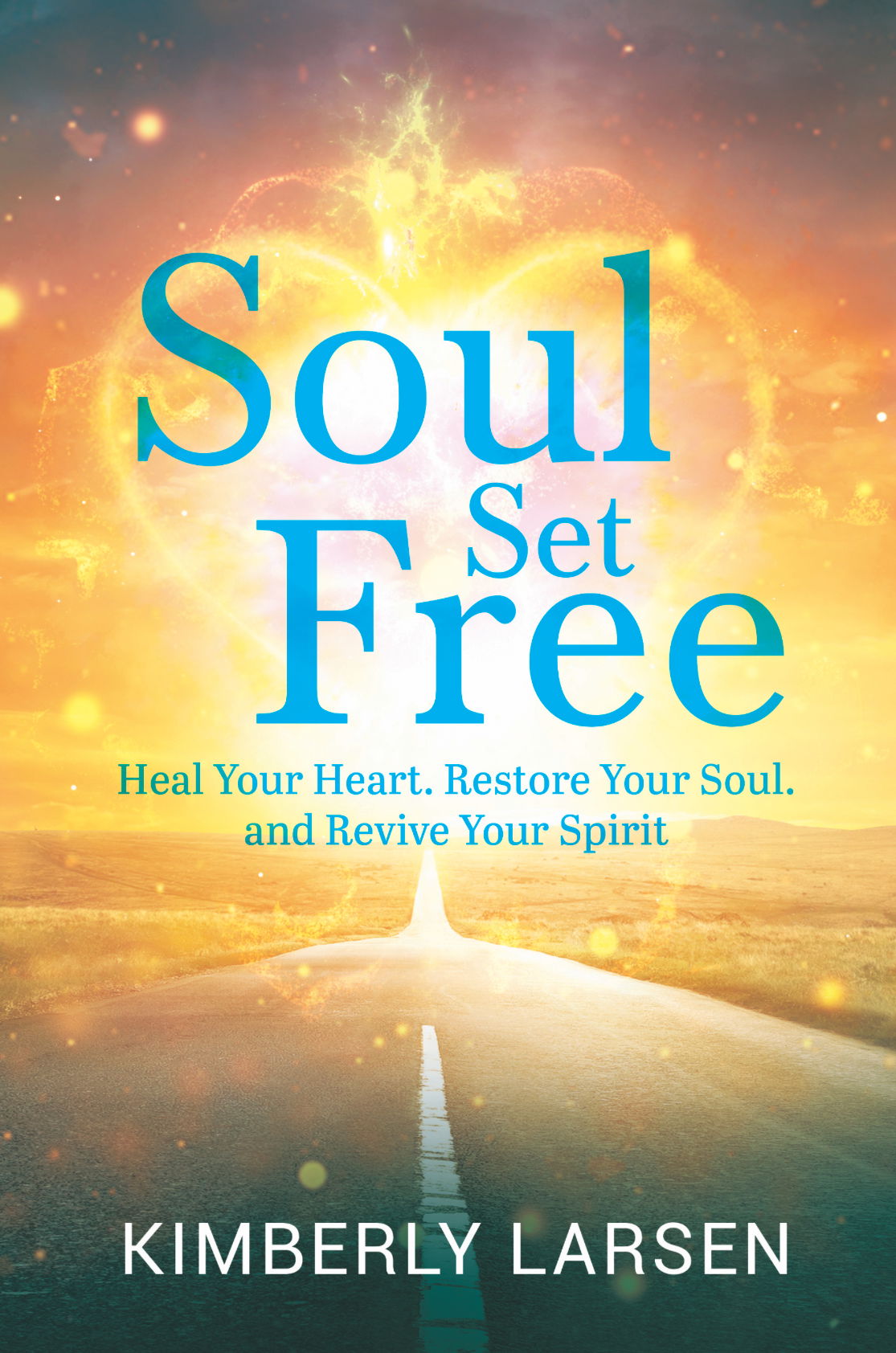
In Kimberly Larsen's Journey of Deliverance and Healing, Kimberly shares her incredible testimony of being set free from pain, fear, and spiritual bondage. Once bound by trauma and hardship, Kimberly experienced a life-changing deliverance through the power of Jesus Christ. Her story is one of deep healing, transformation, and bold faith—a reminder that no matter how dark the past, God can restore, redeem, and set your soul free. Whether you're seeking freedom, healing, or renewed hope, Kimberly's journey will encourage your heart and strengthen your faith.

Kimberly Larsen

Coaching, Online Training, Counseling, and Author of Soul Set Free


These are Kimberly's favorite scriptures...


Kimberly, can you share a bit of your early life and how events like your parents' divorce and relocation impacted you and your emotional journey?

I was born into a Christian home, which provided an excellent upbringing in a small farming community. In my early childhood, I don't have any memories of ever feeling anything but loved, safe, and happy. When I was 9 years old, though, my parents divorced, and my world got a little shaken from that.


We moved off the farm and into town. So, that was a whole new world. And that is when I started to feel anxious and insecure. I knew I was loved, so nothing was terribly wrong, and yet my heart felt bruised—I had a hard time getting started again. And then as soon as I got comfortable in that place, we moved again. And I think it was like a double whammy where that pain I had already begun to feel was reinforced. And I didn't fully realize at the time that I had a broken heart because of that. I was trying to keep up with what was happening and do the best I could. And so there wasn't like one big accident or anything like that, but it was just this doubling up of the same type of pain happening twice. Kids are resilient, and so I think that, from a parent's perspective, they're doing pretty well. Even if you asked them, they would likely say, "I'm okay." I think a lot of what was going on was deeper than I understood, and it started to show up later on when I started hanging out with the wrong friends. So as a teenager, I began to walk away from my faith kind of—I never completely left my faith, as I always continued to believe in God, but I was looking for attention and friendship and love, and, you know, I didn't have a lot of parent supervision because my mom was a single mom working and my dad wasn't in the picture. We did a lot of things to keep ourselves entertained, and none of it seemed all that bad at the time. However, it eventually got worse.


You experienced an abusive relationship in your teen years that led to the beginning of spiritual battles. What were some of the doors that opened that may have caused demonic influence and oppression, and how did that affect your life?

For a long time, I thought that it was because of the abusive relationship as a young teen that the demonic oppression came, and that was the door that I had opened. Still, then, the Lord brought me back to some other memories and showed me that I started having these demonic nightmares right before the relationship began. And so that helped me to understand that it was probably a generational door that had been opened even before me. There was similar abuse in my mom's and grandmother's lives, so what happened is I started having attacks in my dreams, but then I would wake up, and I would still feel the attack. So I would feel choking happening, and this extreme, intense fear in the room. It happened over and over, almost nightly, where I was having terrifying dreams, and it went on for years and years. There were times when I woke up, and in the dream I was dreaming that somebody was banging my head, and I woke up and it was actually happening, and then I would have a headache the next day. So it was a dream, yet it was also becoming a reality. They were spiritual attacks in my sleep that are known as sleep paralysis. 


Were you able to talk to your mom about what was happening?

I kept a lot of this a secret because when I talked about it at all with people, I could sense right away that they were kind of like, What? And I just was afraid to talk about it. I didn't discuss it much. I would say to people that I was having nightmares, but I wouldn't explain to what extent. Sometimes I would have wild animals in my dreams that were chasing me. Those I would talk about. So, everybody knew that I had bad nightmares, but the actual experiences with the spirits—that part I wasn't sure how to talk about. It wasn't until later in my life, after I got married, that I started speaking up about it. And even then, people did not know what to say to me. And so, I thought it was just spiritual warfare and that this was one thing that Christians had to deal with. I learned that if I said the name of Jesus, it would stop, so I thought, 'Okay, this happens to people.' You speak Jesus' name, and then it stops. But I did not realize that I could get free of the nightmares. If you speak the name of Jesus, in that very moment, the evil one needs to flee from you. There’s a Bible verse that says… “Submit yourselves therefore to God. Resist the devil, and he will flee from you.” James 4:7. I always thought it was resist the devil and he will flee from you. And it was later that I realized I truly understood the beginning of the verse: 'Submit to the Lord.' And so your life needs to be submitted right to Him. And when you submit to Him in your everyday life, you will not receive the same attacks as if you're only using His name to ward off a nightmare. As I walked daily with Him, I learned that I was more in authority and dominion. I had to overcome a spirit of fear because I was terrified of these evil spirits, and I'm not afraid of them anymore. If I have even the smallest experience with them now, I'm ready to fight them, and I know my authority, and I know they have to flee in Jesus’ name, but it took years of building myself up to understanding my authority, and there was a lot that I didn't understand about Christianity—there were a lot of missing pieces for me, and as those pieces came together, the stronger I became. Now, I'm not just fighting my own battles. I'm helping other people fight theirs. And we can think we know who we are, but we need to study who God says we are in Him and truly know and understand it. And in fact, I realized that it was wrong of me to believe anything less than who God says I am. And I was pretty insecure, and God doesn’t want us to have a spirit of fear. He wants us to have a spirit of power, love, and a sound mind. So if you’re somebody who is walking in timidity, you need to actually repent of that and then ask the Lord to help you grow into boldness and to be who you're called to be as a son or daughter in Christ. 


What was the turning point for you—when did you realize you needed to surrender to God fully, and what did that surrender look like?

There were a couple of turning points. One was that I got lost in addiction. I was drinking and partying all the time with my friends. I was smoking. I was even, I would say, even addicted to my friends because I felt I needed to be with them. I think I was looking for attention and love, and that's why I loved my friends so much - because I just felt like I was part of something. You know I could not stop on my own, and I got afraid and then rededicated my life to the Lord, and I was delivered from those addictions overnight. I'm so grateful that the Lord pulled me out of that. 


Secondly, when I was diagnosed with cancer for the second time—the first time was hard enough, and I prayed my way through that and survived. And then two years later, it had returned in a different area, and I kind of just gave up. And I just said, “I give up, Lord. If you want my life, take it.” I was tired of hoping and trying to stand on my faith, only to feel like it was when I received bad news. In that moment, I said to Him, "But if this is an evil attack on my life, I refuse to die early before my time." And that is when I started to experience deliverance, without even knowing what it was, because I began to cough and almost dry-heave. Then, I felt a beautiful presence come into my room. I couldn't see anything, but it was as if I were enveloped in a cloud of peace and joy. I had a beautiful experience, and the spirit of fear left me; I was no longer afraid of my situation. Even though it was still a terrifying diagnosis, I felt a presence from heaven. I just knew God was doing something, and that I needed to trust Him. So, I Googled… “Can Christians need deliverance?” Or something like that, and this YouTube channel came up that said how to be self-delivered. And as I followed through with that and prayed for renunciation, asking God to deliver me, I experienced even more deliverance. 


And for a week after that, I felt like I was walking on clouds. I was so excited—it was the most wonderful feeling, like nothing you could experience on earth, that is for sure, and so I had this self-deliverance. Then I became curious: I needed to understand what had happened to me more, and I wondered why nobody had told me about this before. I searched through the scriptures, and it's all in the Bible; Jesus performed many deliverances. Then I embarked on a longer journey, and I experienced many more significant and minor deliverances. After that, it set me on a path of inner healing because a lot of the places I needed deliverance were tied to emotional pain. And when I had that emotional pain healed, then that was when I no longer needed deliverance anymore.


Is there anything else you can encourage others about if they need deliverance, based on your experience? 

Yes. Deliverance is truth chasing away lies, just as it is when Jesus says, 'I came to set the captives free.' Much of our captivity lies within our minds, and even a tear rolling down someone's cheek who has just realized that when they thought they weren't loved, they are loved. I see that as deliverance. Some people are stuck in addiction like I was and they can't get out and when they truly ask God for help, and He makes a way for them, that's deliverance. Someone who is constantly emotionally triggered by people or circumstances. When they realize that there's a reason for the trigger that's causing them to feel angry, jealous, or insecure, if they can find out where their soul was hurt and go back to address it, they will find that they're set free and no longer triggered. And so I think a lot of deliverance has to do with emotional health. There are many things that deliverance is. God could deliver you from one place to another, or He could deliver you from believing a lie to understanding the truth. He could deliver you from a toxic relationship. Deliverance is vast, and it’s something that God has for us. He wants us delivered, set free, and walking in who we are meant to be. He wants the things that hold us back to come off of us so that we can then do the things that we are assigned to do on this earth and do His Kingdom work. And until we personally experience the deliverance we need, we are held back from reaching our full potential. Deliverance doesn't have to be scary. Some people are highly demonically oppressed, and they need serious deliverance. Others simply need to be guided through exercises using Scripture that help them with forgiveness and other aspects of their lives, because Scripture is truth. If we don’t fully understand scripture, we might need someone to help us unpack that truth. 


How is inner healing different from someone simply moving on, and what practical steps helped you walk it out?

Yeah, it's so different when you invite the Holy Spirit into a situation, like you can have freedom from a problem that you've been getting counseling for, for 20 years, in one second with the Holy Spirit. So, I would say that inner healing is about asking God to reveal the hurt places in your heart and to search your heart to find them. And you'd be surprised. They're not always the big, bad, scary things. A lot of it comes from when you're young because you don't yet have the capacity to cope emotionally. And you know, time does not heal you. In fact, it often buries and compounds issues. Jesus is what heals us. And so because He is not in time, He can go back to that place when you were a child, and you can invite Him now to come back there and have Him heal you. He can heal your memories and triggers—He’s in the business of healing people, and every time I work with someone, He shows up. So, I don't even feel like I'm doing a lot, other than facilitating an encounter that they're having with Him and encouraging them to know that, 'You think you can't hear Him, but you can.' And teaching them this is how you hear Him. And as soon as they're connected to hearing God's voice, they can move forward. When they need help with something, they simply go to Him and listen to Him. And then, so my program is actually only 3 months long. It's not a long program because we jump in and I connect them to the source, which is the Holy Spirit. And once they learn how to work with Him, they no longer need me, as they have exercises that they can use with the Holy Spirit and Scripture. 


Could you share how your ministry began, who it serves, and how you help people find freedom in Christ?

It's only been two years since this happened to me, when I experienced deliverance for the first time. Within those two years, I have taken a double degree program. I now hold degrees in business and ministry, and the Lord has also asked me to write a book. I couldn't believe God was asking me to do all He's having me do, and yet here I am, two years later, and the website is up and running. I am working with clients and getting seriously transformational results. I am always so surprised at how God shows up. 


For someone who feels stuck in pain, fear, or spiritual bondage, what word of hope would you share with them? 

Have faith in God. And if you feel that your faith is weakened or small, you need to find ways to stir it up, because it is real—the promises of God are real, so I would say, have faith and grow in your faith, your relationship with the Lord, and His Word. 


Kimberly shared her story on...

Truth, Talk & Testimonies
Kimberly's testimony is also on...

VictoryEmbraced: Truth, Talk & Testimonies