05Feb

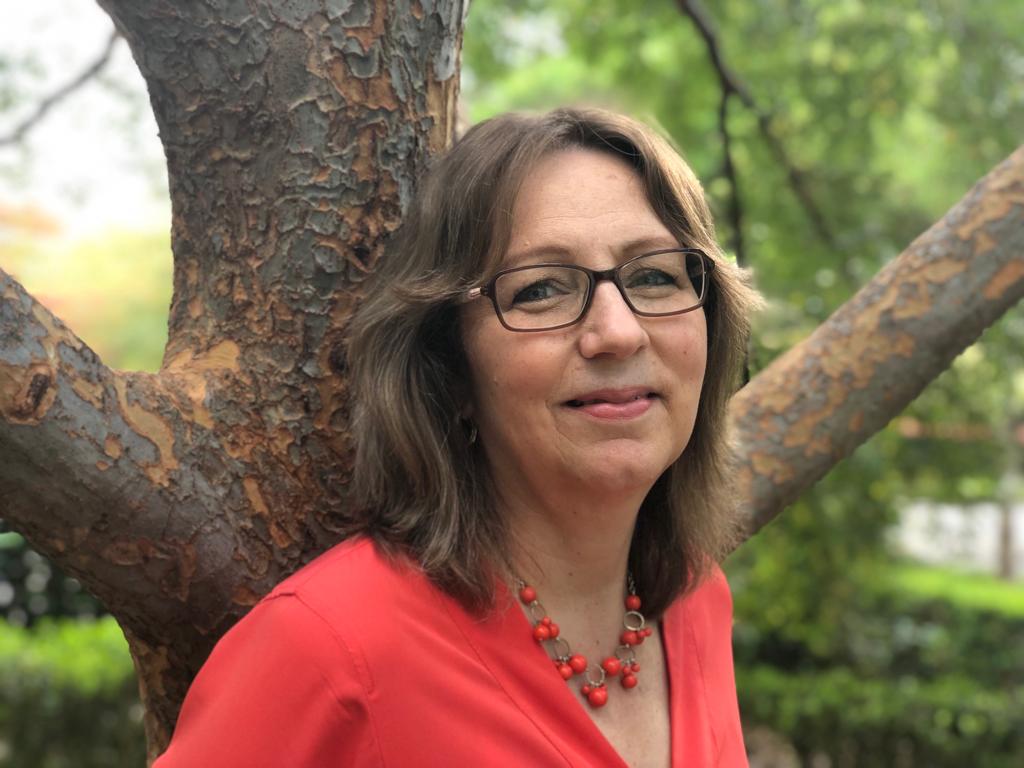
Encourager Karin Thompson shares her journey of healing, hope, and God’s unfailing love. She discusses her personal path to recovery from emotional pain and past wounds and how God met her during her deepest struggles to bring hope out of heartbreak. Through faith, forgiveness, and trusting God in life’s storms, Karin discovered that her pain had a purpose—a purpose that now inspires others to keep going, keep believing, and continue holding onto Jesus. If you’ve ever battled emotional pain, felt worn down by life, or needed reassurance that God still has a plan for you, Karin's testimony will speak directly to your heart.
Christian Author & Encourager

Hope-Filled Fiction and Faith-Filled Reflections for 
 Weary Hearts


***Karin's testimony is being transcribed & will be available soon.***


These are Karin's favorite scriptures...


Karin's Website


Karin's Non-Fiction & Fiction Books


Karin shared her testimony on...

Truth, Talk & Testimonies



Karin's testimony is also on...

VictoryEmbraced: Truth, Talk & Testimonies


22Jan

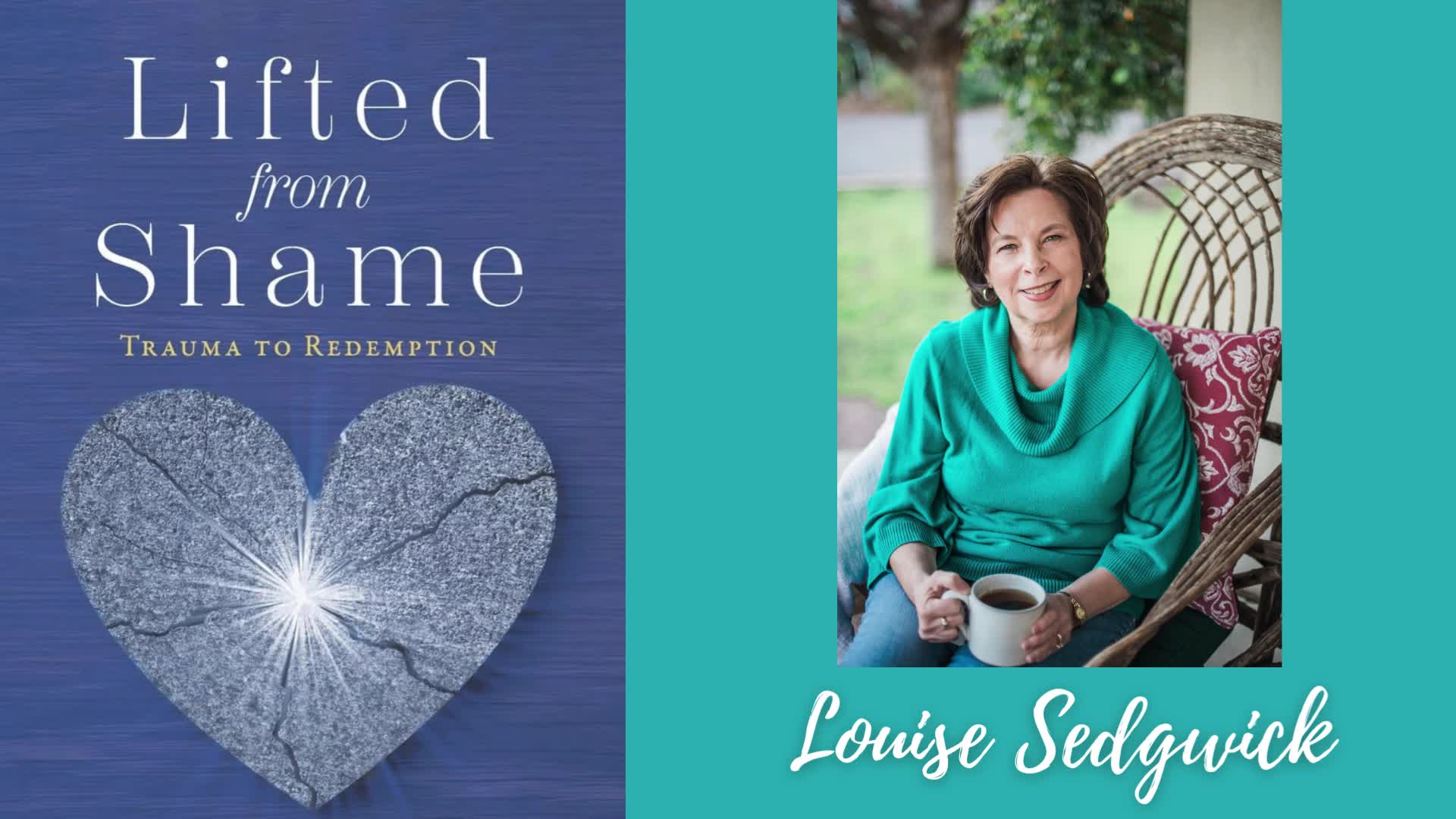
Louise Sedgwick grew up in a home where her parents were church leaders, but behind closed doors, she endured abuse and trauma. She gave her life to Christ young, but carried anger and shame for years. Slowly, God brought healing through the cross, and she found redemption as she served others, helping them experience freedom from shame.

Louise Sedgwick

Author, Teacher, and Podcaster


Your childhood story is both heartbreaking and powerful. How did your experiences shape your faith and your understanding of God? Can you share about your childhood? 

Yes, I can do that. Sharing my childhood story is always painful, even though I’ve told it many times; it never gets easier. My parents raised my siblings and me in the Midwest and took us to church every time the doors were open. My parents were visible church leaders and respected in the community. But what happened at home was very different. My father sexually abused me throughout my entire childhood and sold me to other men—now they call it trafficking. They didn’t call it that when I was young—they just sold me, and we had to participate in child pornography. It was a very severe abuse and evil. And so you can imagine the conflict and confusion for me as a little girl, who was at conservative evangelical churches, where I heard the gospel, and I accepted Jesus as my Savior when I was little. Still, the turmoil of the double life that we lived was very confusing. 

When I went to church camp as a junior high schooler, I gave my life to Christ fully and said, “God, use me big for your kingdom purposes. I will be yours for the rest of my life.” And so here I was, having this desire to honor God with my life, serve Him, and be about His kingdom. And yet I had this literal terror going on at home, every day, every night, and I didn’t know that you could live without terror. Not just fear, but terror for my life. I loved Jesus with all my heart, but I had another thing going on in me–now I know it’s called trauma responses, but that was unknown and unresearched. I had a horrific problem with anger. And not just a little. I mean rage, like with the veins sticking out of your neck rage. Now, I know it was the fight, flight, or freeze response. It was a fight response of mine, trying to feel powerful when I felt absolutely powerless and hopeless. Shame overwhelmed me, and I felt like raw sewage. I believed that only someone worthless would receive such treatment. 

So, I felt like raw sewage, but I was really arrogant because I learned to be a perfectionist to survive. After all, my father would always say that he was going to abuse me because of some infraction I had committed, so I tried really hard to be perfect and never make a mistake. I felt I needed to perform to stop my father from abusing me. Of course, I learned later that no matter how perfectly I performed, it wouldn’t have stopped him, but that was my strategy as a child. 

When I was a really high-performing child and teenager, I thought I was better than other people. So I had both things going on: arrogance and deep, deep shame. And so I was judgmental and critical, and it was really messy, and I was a perfectionist. So here I was, loving Jesus and wanting to serve Him and have my life be all about His kingdom and honoring Him, but I was struggling with so much sin that I couldn’t control, and that made me feel so terrible about myself, and on top of that, I just didn’t believe that God loved me. 

I started teaching even as a teenager in my church because it was one of my gifts and part of the design of my life. I would teach all these things that were true about scripture because I’d studied scripture and gone to doctrine classes and all those things, and so I was doing all these teachings, all this truth. I knew a lot of truth, but I didn’t believe it for me–it was in my head, but there was a 12-inch gap between my head and my heart that was disconnected because I didn’t trust God, because how could I trust a God who allowed me to go through what I was going through. I was on an ongoing journey where I was trying so hard to be perfect and get my sin under control to stop being judgmental and critical, stop raging, and I just couldn’t get it under control because we can’t control our sin. But the teaching that I received was wonderful in so many ways. Still, it was missing the fullness of the gospel of how we live, not just by God’s grace for our salvation, but God’s grace for our ongoing journey as believers. I was unsure how to live. I felt awful about my failures as a Christian and what happened to me. And so when I was in my early 20s in college, I told God, “So far, everything you’ve taught me about the Christian life is a crock because I’m doing everything I was taught to do, and it’s not making any difference.” And I said, “God, if you are real and if your word is true, will you take me to a place where they can teach me a new way?” It was the turning point for me when God brought me to that place to teach me a new way. 

You mentioned a trauma response, and that’s for protection, like when fighters get in the ring, they put their fists up. So, you had a trauma response of anger, and that was a way to protect yourself.

Yeah. Because you think about it, when you see somebody who’s raging, you want to back away from them because it’s powerful. And so if I’m the one who’s raging, I don’t feel small or weak. I feel powerful and big. And it’s an illusion, of course; it’s not the truth, but it’s the feeling that it gave me. I didn’t love what it did, and I didn’t have an understanding for a long time of how my rage affected the people around me. I just knew it helped me feel stronger and safer. 

What was the turning point when you experienced real healing and freedom? 

Well, it was a process. I wouldn’t say it was necessarily a point, but it was a process. The healing began when I started attending 12-step groups for adult children of alcoholics, even though my father never drank, but he had a sexual addiction, so I was with other people whose parents had addiction issues. I began to understand the dynamics of a home where that is true. It took away some of the confusion for me to say, “Oh, this is common. These behaviors are common. The manipulation, the pouting, and the lies are common for someone in a home where there’s addiction present,” and so that was helpful. But then, as I said a little bit earlier, when God took me to a place where I could learn a new way to do the Christian life, He took me to a church here in Phoenix where I learned about God’s grace. Not just grace for my salvation, but God’s grace for my everyday life. And I came to understand, even though I’d been to Bible college and taken theology classes, I never fully understood the reality of what Jesus accomplished for me at the cross and resurrection. And that I was no longer a slave to sin according to Romans 6. I had lived my life as a slave to sin because I had repented and repented and said the words of repentance for years about my anger and my judgmental criticism and my perfectionism. But I couldn’t stop because it was stronger than me. And when I learned that not just by reading it, I learned how to live as though I was no longer a slave to sin—how to repent in a way where God does the work in me. Because even when I was in college, I said, “God, take me to a place where I can learn a new way.” I said to Him, “As far as I’ve been doing in trying to deal with my sin, God, I’ve been the one doing all the work. And if there is victory over sin in a believer’s life, there has to be something supernatural involved. You have to do something about my sin, not just me trying to control my sin.” And so when I learned about this new church through God’s grace, I learned how it is that it’s the Holy Spirit in me, Christ in me by the Holy Spirit, that is stronger than sin. Christ in me, by the Holy Spirit, can forgive. Christ in me by the Holy Spirit doesn’t have to hang on to shame and can trust God. And I had never heard that. I missed it if someone taught it to me. But that’s what began to change my life, to say I didn’t have to make it happen. I could believe that God could make it happen. The Holy Spirit could make it happen in me. And that changed everything for me. He's faithful to hear our prayers and remember them even when we've forgotten them and to answer them in His perfect time. I'm grateful for His mercy and grace toward me. 

What are some practical ways people can find hope and healing through Jesus, even in the midst of deep pain? 

Well, I think for me, one of the big shifts that helped me was I knew that Jesus had died for my sins, but I didn't comprehend or grasp that Jesus didn't just die for my sins. He died for the sins that were done to me, so I could have healing for the sins that were done to me, because otherwise, there would be all this abuse that I had endured from my childhood that was lying in me, and I didn't know how to give it back to my parents. I was holding on to it, and I was holding on to the shame from it. And so, I didn't have any idea that my way out, my way toward healing, was to come to understand and live out the truth that Jesus died for the sins done against me. That I could forgive my parents because their debt was paid by Jesus. I could have hope that all these things didn't define me because Jesus paid the debt for those sins. He paid for the shame of those sins done against me, and it lifted my face toward heaven to say, "Oh, you love me that much that you would die for what somebody else did for me so that I could be free. Wow! Wow!"

A lot of times when we’re going through things, if we get our focus off ourselves and our issues and we start serving others, it helps our healing process a lot. So, when you first began serving others while still healing yourself, what was it like to see God use your story to bring hope to someone else?

Oh, it was the truth that I had learned as a child that Jesus is our redeemer. It became my reality because He redeemed my soul. He redeemed my life from the pit, as it says in Psalms 40:1-3. He lifted me out of the pit. He redeemed me so that others could experience Christ through me and the healing of Jesus through me because I had experienced it myself, and I knew what it meant, and I knew what it looked like, and I knew how to help other people because I had learned it for myself. Psalm 40:1-3, “I waited patiently for the Lord, and he reached down to me and heard my cry. He brought me up out of the pit of destruction, out of the mud. And he set my feet on a rock, making my footsteps firm. He put a new song in my mouth, a song of praise to our God. Many will see and fear and will trust in the Lord.”  I felt that I was in the pit for so many years, and I tried to claw my way out by myself, but He lifted me out of it through Jesus and what Jesus accomplished for me on the cross. And I’m so grateful.How did your perspective on forgiveness, both of yourself and others, change as you walked through your journey of healing?Well, in the beginning, honestly, I did not want to forgive my parents. I wanted them to suffer. If I can be this bold, I wanted them to be in hell. I did not want them to heal. I did not want them to be forgiven. And in the beginning, I knew I needed to forgive my parents, but I didn’t want to. And I had never truly forgiven anyone in my life. I didn’t know how to. I could say the words, but I didn’t mean that I had let it go. There was a debt to be paid, and a debt that was owed. And I didn’t want to forgive my parents until they owned up to what they did. And so it was a journey for me to come to understand forgiveness. I could forgive because Jesus had paid the debt. But I also had an even harder time forgiving myself because my anger and rage were present when my children were growing up. And I raged a lot at my husband, and my children witnessed it, and my judgmental criticism and my perfectionism deeply, deeply injured my family. I had a lot of self-hatred for the sins; they were trauma responses, but they were also sins for what I had done to my family and the damage that I had done. My prayer had always been that I wouldn’t hurt my children, especially the way my parents had hurt me. While I didn’t inflict the same pain on them as my parents did on me, I still caused my family to suffer. And so I had just so much self-contempt for years and regret, deep regret for what I had done. And so, learning to forgive my parents was the first step. But the second step was getting to a place where I could forgive myself and receive God’s grace for me.

My husband and I were going to confront my parents because they were in positions of church leadership, and my pastor at my church was going to go with us to confront them. He told me that I had to forgive my parents before I could confront them, so that was my motivator, not in any Christlike way, but because I wanted my parents exposed. I wanted them out. It wasn’t from a heart desiring reconciliation whatsoever that I was in the forgiveness process. But I just had to ask God to help me forgive because I wasn’t willing to forgive, nor was I willing to be willing to forgive. And so I had to pray three times, willing–God helped me to be willing to be willing to be willing to forgive. I prayed every day for months because it wasn’t in my willingness to forgive my parents—it was not going to come from anything in me—it had to be Christ in me that could forgive them. 

How has Psalm 34:4-5 touch your heart and life?

My heart is to walk with people so that they would know the healing of Jesus from the shame that they feel for what they’ve done or the sin done to them. I always say that if God can heal me, He can heal anyone because it’s about Him and His power. The scripture from Psalm 34:4-5 is precious to me because it’s the calling of my life to share with others how we can be lifted from shame through Jesus and His grace. 

Psalm 34:4-5

I sought the Lord, and he answered me; he delivered me from all my fears. Those who look to him are radiant; their faces are never covered with shame.

This scripture says, I sought the Lord, and He answered me and delivered or rescued me from all my fears. I went from being a woman who felt worthless and unlovable. I didn’t have what it takes. I couldn’t measure up. I believed I was unwanted, but now, because of all that God and Jesus have done in me, I feel loved, known, cherished, and beloved—all of it. I can look to God and not feel shame. I can feel His delight in me. I know I’m treasured by Him and that through Him I have what it takes. That is a complete transformation. Not that I don’t or can’t feel shame now and again because I live in a sinful world, but it does not own me like it used to. He’s not only a redeemer for me, but He’s a redeemer for everyone who chooses Him. 

Looking back on your journey of redemption, what advice would you give to somebody who feels trapped by their past or ashamed of their story? 

First, I would say I understand. I’ve been there. I lived it. And this is why Jesus came. He came to set the captives free. He came to seek and to save those who were lost. And I remember crying out to God and saying, “That’s me. I’m lost. I don’t know how to do life. I am lost. You came for me. Show up for me, Jesus. Show up for me. I’m lost.” And He did. He did show up for me. More than just show up for me. He healed my soul. He transformed my life. He redeemed my life from the pit. Jesus wants to do that for you. You are not ineligible. While we were yet sinners, Christ died for us. He doesn’t expect us to have it all together because nobody does. 

My pastor at the church where I served for all those years, my favorite line that he said was, “There are no together people, just people who dress better.” And I believe that. No, nobody’s got it all together, but we can live in confidence of our worth and value because of Jesus. And that frees our hearts and allows us to stand in who He designed us to be. And when we live out who He designed us to be, we have a confidence and a joy and a peace that comes from Him. We don’t have to compete with anyone. We can trust that He’s going to open the doors for us, and we just have to walk through them. And that’s been my life. I dreamed I always wanted to be in full-time Christian ministry, and I felt completely ineligible because of how broken I was and how I overreacted to things. I was socially awkward sometimes. I raged. I was so judgmental and critical. And I thought, “Nope, God could never use me,” but He qualifies the called, as that old saying goes, that when we allow Him to do His work in us with open hands of surrender, saying, “You do it in me, God,” and we believe that He can do it—He will absolutely move in our lives, and it’s a miracle; my life is a miracle 100%. 


These are Louise's favorite scriptures...


Louise's Ministry Site


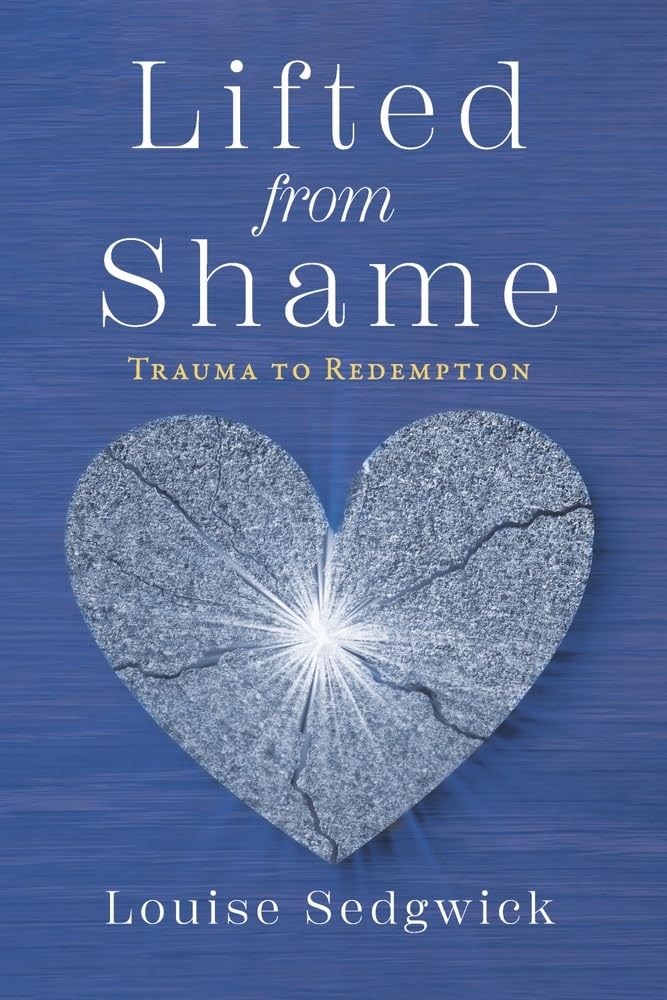
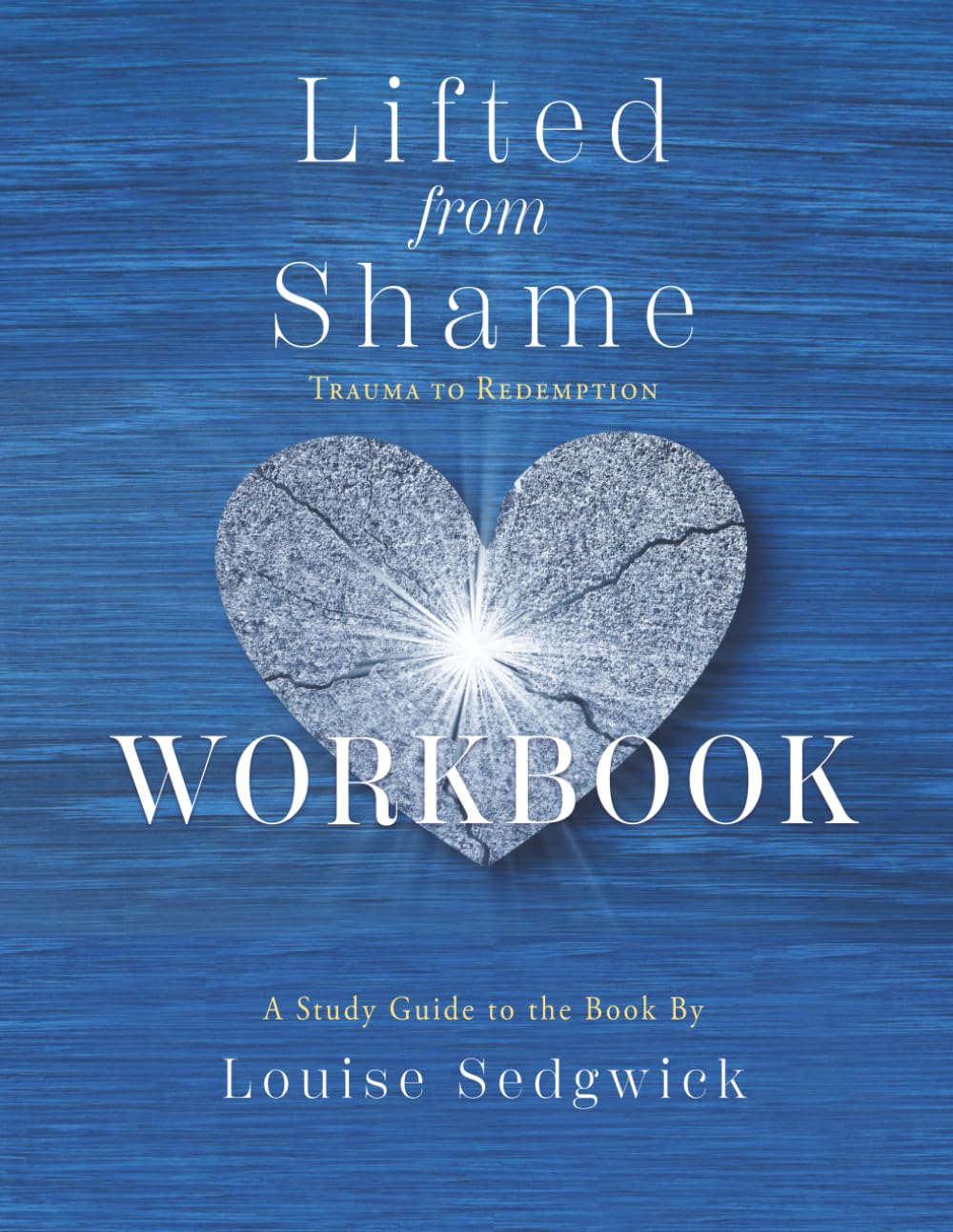
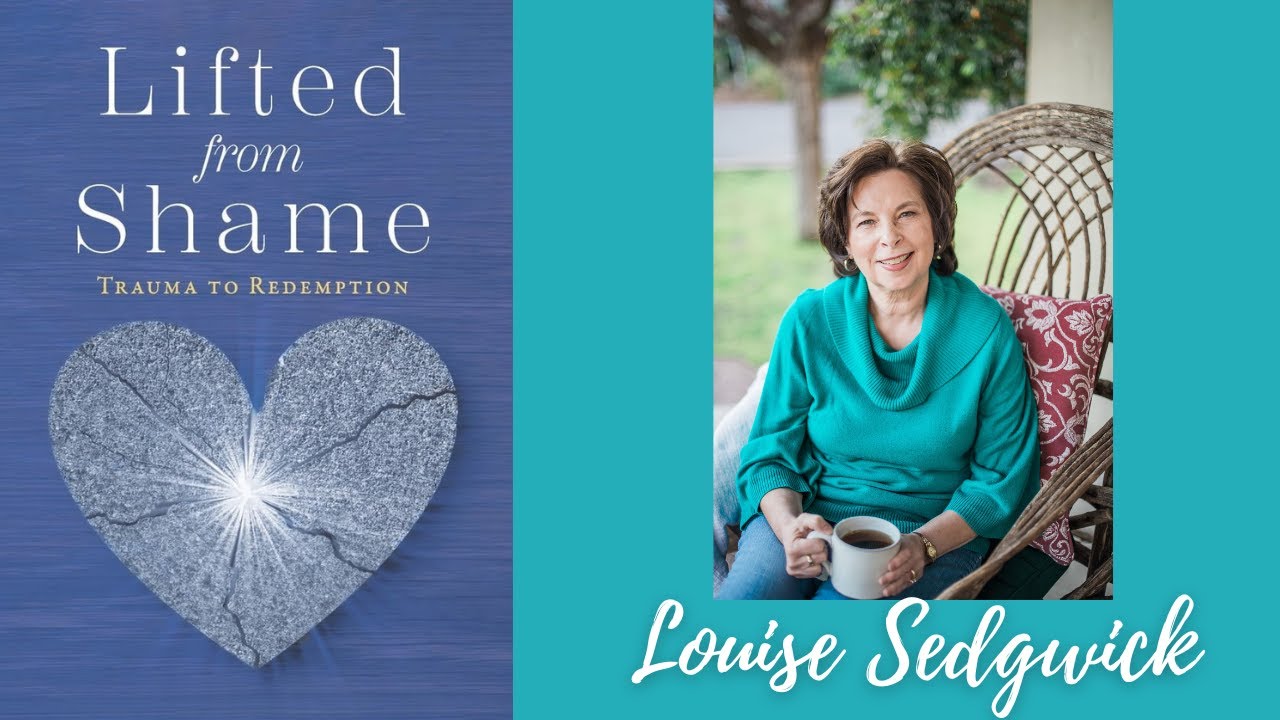
Louise's book & workbook. Get your copy today by clicking on the book covers!  


Lifted to Hope Podcast


Louise's Social Media Platforms


Louise shared her testimony on...

Truth, Talk & Testimonies

Louise's testimony is also on...

VictoryEmbraced: Truth, Talk & Testimonies



19Feb

Estelle shares her incredible journey from trauma and abuse to finding freedom, healing, and purpose through faith in Jesus Christ. Her story explores her struggles, triumphs, and the unwavering hope she discovered in God.

Estelle

Regulatory Oversight Specialist

These are Estelle's favorite scriptures that ministered to her during her healing process from trauma.

Estelle shared her story on Truth, Talk & Testimonies

Estelle's testimony is also on VictoryEmbraced: Truth, Talk & Testimonies podcast platforms

Did you grow up in a Christian home?

I grew up with relatives who were Christian. My mom was a Christian, but my father was not, and they got divorced when I was a baby. My mom introduced me to the Lord, and my grandmother and aunts knew the Lord. I was told that I was around 5 years old when I became saved and accepted Jesus in my life to save me from my sins. My mom asked me if I accepted Jesus, and I said, “Yeah, mom, and I felt Him. So that's what I'm told. For most of my childhood, I loved the Lord and spent much time in church. 


You shared with me that you went through trauma and abuse—can you share some of that? 

Yeah, my stepfather abused me. My mom remarried when I was about 4 years old, and my stepfather was an alcoholic. When I was 11, for a prolonged period, he was abusive to me. He would molest me—it wasn’t as bad physically as what I hear a lot of people experience in a situation like that, but I think for me, it was the psychological trauma of it, the way I was groomed and tricked and manipulated—it was very devastating and traumatizing because I also wanted to have a close relationship and father figure, but he took advantage of that. I have a good relationship with my biological father, but I didn’t see him very much. So, my stepdad took advantage of an 11-year-old girl who wanted to have a wholesome father figure in her life. It was just very traumatizing, and it happened over a prolonged period. I was a zombie as a kid because I couldn’t process what was happening to me. 


You told me you received help in the church. 

Yes. In my junior year of high school, I didn’t have a safe place to stay because my mom was in the hospital, and I was alone with my stepdad. To my knowledge, no one was aware of my abuse. He stopped abusing me at that point, but it wasn’t safe for me to be there. One of my aunts, a Christian, came to check on me, and she discerned it wasn’t safe for me there. I believe that was the Holy Spirit. I thank God she checked on me, and for about a month, until my mom got out of the hospital, I stayed with my assistant pastor’s family. They treated me like I was part of their family. It was one of the best experiences of my life because I could see what a healthy marriage was and what a Christian household could look like—it was just a wonderful experience for me. It gave me a great impression of myself and something to think back on even when I grew up. It served as a helpful gauge for me to evaluate relationships. God used that experience. 


God used that experience there in that household. Did anyone know what was going on at home?

I don’t think anyone knew at that point that someone had molested me. The interesting thing is that going back to when I was 11, I think people knew something was going on with me because I remember meeting with the pastor of my church at one point. He asked me if my stepfather was touching me, which to me was an odd question—I don’t understand a lot of the circumstances that were happening in my life back then, but at that point, I think I couldn’t even admit it to myself, and I knew I was lying to him, but I told him no. Also, a man asking me was uncomfortable, even though my pastor was someone I respected and was a safe person. Still, when I was living with my assistant pastor’s family, I think they most likely knew I came from a troubled home. My stepfather was an alcoholic, and obviously, my aunt didn’t think it was safe for me to be there. I don’t think they knew the extent of what was happening. Eventually, my mom and I did go to a therapist and would talk about how his alcoholism affected me. That was when I had many memories resurface because, for a while, I was blocking everything out as a protection. It was too much for me to want to admit or face—I think I was around 17 or 18 when I went to that therapy session with my mom. I tried to talk about what happened to me, but I did it vaguely. I blacked out and don’t remember much from that session because it was traumatizing. 


Did you go to college then, and if you did, what for?

I did end up going to a Bible college. The pastor of my church, who loved the Lord and Scripture, inspired me. He was so serious about the Word of God, and it was fascinating when he would share about all these fulfilled prophecies in the Bible, and I would be on the edge of my seat. And he would get so emotional about what Jesus did for us—he was very analytical, scholarly, and innovative. Jesus’ death, and the grace and mercy He gave us forgiving all our sins caused him to weep at the pulpit. This made a great impression on me, and I wanted to learn more about the Bible. I felt so blessed by my church. I would go to youth group, and I went to church on Sundays and Wednesdays regularly. That might sound like a lot, but I loved being around other believers and receiving support. It was a place of stability, and I wanted to learn more about the Bible and pay forward how the church helped me.


When you started college, you took ministry courses but veered off. What caused you to get off track?

There were a couple of things—I mentioned that I viewed my pastor as analytical, and I’m very detail-oriented and analytical, so while studying theology, I began to notice things in the Bible that I thought were contradictions, but we know God never contradicts Himself or the Word. I knew Jesus wants to save everyone, but yet narrow is the way—and there is a hell. I had doubts and questions. I think I was missing discipleship—looking back, some things were missing in my walk with Christ, but the idea of hell was so triggering to me and my trauma because I grew up feeling in danger. Something I didn’t mention is that I did try to get help as a child and reach out to someone, but I don’t think I thoroughly explained what was happening to me, and the abuse continued. I tried, and I was just a kid, and it was a lot to process. 

I ended up standing up to my abuser. One day, I snapped and started screaming at him—exceptionally intensely. I was a skinny pip-squeak of a kid, and I stood up to this grown man, and he actually apologized to me, and he never did it again, but it could have happened again as I got older because he was still drinking, and my aunt was noticing things that I was not safe. That dangerous environment compromised my safety. I always thought that I was in danger, and I couldn’t handle the idea of someone being in danger of going to hell. When I was in danger, I put a stop to it, and I think that the idea of people going to hell is just so triggering to me. And I thought, oh, people are in danger, and I felt responsible—I didn’t know how to save these people. And we know that we’re not the ones who save them—Jesus does—I didn’t trust God that He’s responsible for saving them. I couldn’t handle the idea of hell, and I had a lot of questions. I think I had a lot of pride, and I started to drift away from the Lord and think that I didn’t need Him very much. There were a lot of things going on, and eventually, I became a closet atheist while in Bible college. I remember reading the story of the prodigal son a bunch of times. I felt like I didn’t believe it. Should I admit to myself that I didn’t believe it? I thought that maybe God wanted honest disbelief over blind belief, and I ended up throwing my faith away. I didn’t share with many people what I was going through. Some of my close friends knew, and they were pretty devastated. I graduated from college and lived on my own with roommatesFor at least 15 years, I lived as a nonbeliever.


Did you get involved in the New Age and things like that?

Yes, at first, I started as a secular humanist and didn’t believe in anything supernatural. I still wanted to be an ethical person and have morals. I studied philosophy and ethics, and it was so empty, and there’s no philosophical system that’s good or comparable to what the Bible teaches us. Nothing that I could find was satisfactory, and it felt very empty. There was a part of me that still craved spirituality. Also, I was hurting—for the most part, I had managed to keep things together even though I had this trauma that affected almost every area of my life, and I always knew something was wrong with me but managed to keep it under wraps.

In 2013, my half-brother, who had been in the military and had gone to Afghanistan and Iraq, went missing; we found him, and he had committed suicide. There were a lot of circumstances around that, and it was re-triggering to me, as well as things related to communication. Things with communication triggered me my whole life because I tried to reach out for help, but I didn’t communicate well, so communication was a big deal for me. I found out about my brother through someone I was friends with on Facebook, and they said, “Oh, I’m so sorry. I saw a news report.” I searched on Google to see if there were any leads, and I saw from an online newspaper that my brother passed away. I called a family member, and she told me she knew nothing. It was so traumatic. I called the police, and they were cold towards me because I wanted to know who in my family knew. I then called my dad, which was the hardest thing ever. I decided that I needed to tell my dad that his son had passed away. We hoped that maybe he was just eccentric and went off-grid and did something crazy. But that whole thing with my brother re-triggered many things, and my life spiraled from there. I just needed something, so I was going to therapy and doing different treatments. I was also more open to spirituality, so I started listening to certain preachers who watered down the gospel. Hence, the teaching was more palatable to me. I was more open to that kind of spirituality, but I also dabbled in things like Reiki, got deep into yoga, and got my yoga teacher certification, which they taught as a spiritual practice. I also got into Native American shamanism.


You shared that you had PTSD, but you don’t have it anymore. How did the PTSD go away?

Praise Jesus, I don’t have PTSD anymore. I knew my brother had PTSD from the military, so I was curious about PTSD and did some research and had already been going to regular therapy. I talked to my therapist about it and was watching videos and hearing people describe flashbacks and I thought, “Holy smokes,” that’s what I experienced all the time. I didn’t know that’s what it was, so whenever there was a specific trigger, I would re-experience certain situations in my childhood, where someone miscommunicated with me. I would feel like I was in physical danger because of that miscommunication as a kid. I had this false belief that if I didn’t communicate well, I would be in danger. So, if I had a simple miscommunication with a friend, I would feel in physical danger. I would describe it as I felt I was in a burning building and needed to get out. I felt such an urgency, and living an everyday life like that became difficult because you communicate with people regularly. There were other triggers, too, and I saw a lot of specialists who claimed to be able to help with PTSD, so I did anything I could think of, and a lot of the things helped take the edge off of the symptom. I did cognitive-behavioral therapy; I went to an intensive program that you would go to almost every day, and they did a lot of group therapy work. I tried dialectical behavioral therapy and prolonged exposure therapy. EMDR, dance therapy, neurofeedback, mindfulness meditation, and all the new-age stuff—I tried anything because I was desperate. They gave me temporary relief, but they weren’t healing me. When I re-dedicated my life to Christ and became a believer again, I did cognitive processing therapy because it helps you identify your false beliefs and determine a more accurate belief. After all, their theory is that your emotions and triggers are based on a particular belief. So, if you pinpoint what your beliefs are, you can replace them with more accurate ones. I felt like I was spiraling and not getting better, and the main therapist I went to was trying to get me to accept that I had PTSD. It’s something I’ll need to live with for the rest of my life and manage the symptoms instead of looking for a cure, but I knew I couldn’t sustain it and was highly motivated to heal. I was also scared because therapy wasn’t working—I tried everything and worked so hard and was highly motivated to heal—I was going into depression and threw so much money at different therapies and treatments and couldn’t fix myself, so I gave up and out of desperation, I prayed and said, “God, I don’t even know if you’re real, and if you are real, I don’t even know if you would want me back, but I can’t do this anymore. I don’t have a solution—you’re my only hope. If you want me back, I’ll do things your way, and we’ll see if you can do something with this mess." I completely surrendered. 

I learned that it was my trauma that caused me to go down the rabbit trail of not believing. When I look back, seeds were planted along the way, and even when I wasn’t serving the Lord, there were so many situations, and I know the Lord was carrying me. After surrendering to Jesus, I bought a Bible, started praying, and attended church. I was still going to cognitive processing therapy. The reason why I was open to going was I asked my therapist if I could use scripture to learn and come to know more accurate beliefs—I was committed to doing things God’s way, and one by one, using scriptures, my false beliefs were replaced by accurate beliefs rooted in God’s Word. I stopped going to therapy and doing what the Bible says to take every thought captive, so when I felt like I was in physical danger, I would remember that the Lord is my protector. 

Earlier, I described how when I would have a flashback, I would feel like I was in a burning building, and I would think about Shadrach, Meshach, and Abednego and how they were in a fiery furnace because that was their punishment. After all, there was a rule about worshipping the king, and they refused to worship anyone but their God. The king looked into the furnace and saw a fourth person there, so I would remind myself that the Lord was with me. Isaiah 43:2 was such a meaningful scripture for me. I knew I wasn’t in danger, but I would think about the Lord being with me and protecting me. Those flashbacks were the most horrific thing—I just felt tormented, and they were excruciatingly painful, and it would take me days to recover from them. And they were just physically challenging—my body was constantly in crisis mode, so it took a toll on my health, too, but I learned to praise God during my suffering. I learned that despite suffering, I could rejoice, and that God would use these circumstances to build character. I have the joy of the Lord and complete freedom in Him—what He has done for me; He can do for anyone!